

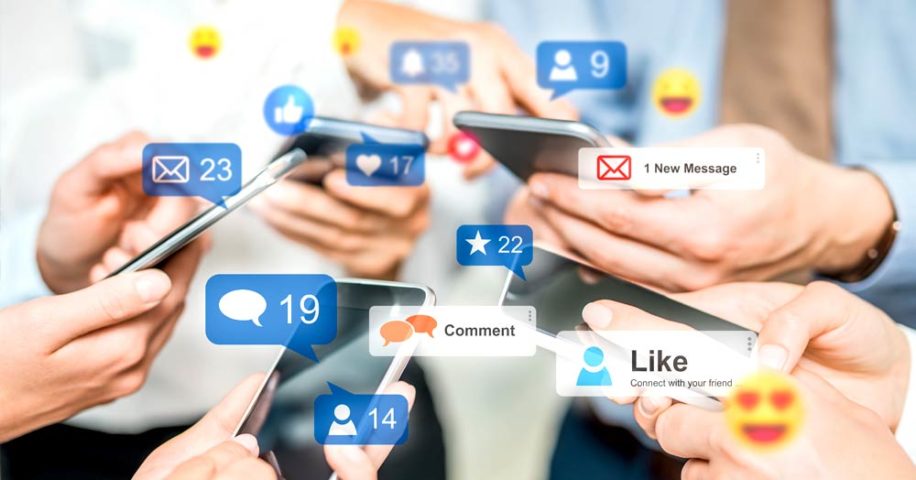
For many people, the first and last interaction of the day is not with the physical world but with a screen. Platforms such as Instagram, Facebook, Snapchat, TikTok, Telegram, and X have become integral to daily routines, shaping how individuals connect, consume information, and present themselves to others. While these digital spaces offer undeniable value, they also carry mental health consequences that are too often overlooked.
The Value of Connection and Belonging
A major benefit of social media is its capacity to bridge distances and foster connections between people. It enables family and friends to maintain close relationships, share experiences in real time, and keep each other informed no matter where they are. For those who may feel lonely, social media can offer a sense of community and access to supportive groups with shared experiences.
Additionally, these platforms have helped broaden discussions about mental health, allowing more open conversations about depression, anxiety, and emotional challenges. This increased openness has contributed to reducing stigma and reassured many that they are not alone in facing such difficulties.
The Pressure of Curated Realities
Although social media offers many advantages, it frequently depicts a selective and idealised version of life. Users typically post highlights—achievements, celebrations, visually appealing images, and moments that are thoughtfully presented. When others compare their daily challenges to these polished portrayals, it can skew their sense of progress and self-worth. Over time, this ongoing comparison may contribute to feelings of inadequacy, stress, anxiety, and diminished self-esteem. Even with the understanding that online content is curated, repeated exposure can still affect emotional well-being.
Cyberbullying and Online Harm
Cyberbullying is another major issue. Unlike traditional bullying, online harassment can happen at any hour and is often carried out anonymously. This makes it constant and hard to avoid. Even seemingly harmless comments can leave a deep emotional mark on the person targeted. Public shaming, insults, and focused attacks can undermine an individual’s confidence and mental health—especially for young people who are still developing their sense of identity and self-worth.
Addiction and Disconnection from Reality
Social media use has the potential to become compulsive. What starts as a quick glance at notifications or a short scroll can gradually stretch into hours of unintended screen time. This habit can negatively impact sleep, concentration, and productivity. Overusing social media may also decrease meaningful in-person interactions, leaving people physically present but mentally preoccupied with their devices. As a result, real-world communication can weaken, and feelings of isolation may increase—even amid constant online engagement.
A Professional Observation
From a clinical mental health perspective, digital habits often influence emotional well-being more than users initially recognise. The effects are usually gradual—building through repeated exposure rather than a single experience. This makes it easy for individuals to underestimate the impact until it begins to affect mood, behavior, or relationships.
Conclusion: Balance Over Dependence
Social media is a complex force: it can connect, educate, and empower, yet it also has the potential to cause emotional distress if used without boundaries. Striking a healthy balance is crucial. Mindful engagement—such as recognising emotional triggers, setting limits, and taking breaks—is essential. Real-world connections, rest, and close relationships should remain priorities. Ultimately, social media ought to enhance our lives, not quietly control or diminish them. The content people engage with online increasingly shapes their thoughts, emotions, and relationships in the real world.
Written By:
Dapare Nelson Sanuure
Psychiatric Nurse
X (@nickMendez2219)
Email: sanuuredaparenelson@gmail.com

