

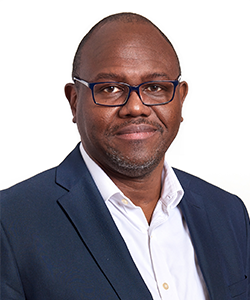
Organizations must intentionally preserve human connection as artificial intelligence and remote working evolve the workplace, according to management consultant Bode Olutunbi. Olutunbi, the Chief Executive Officer of People Source Consulting and Global Partner at Management Drives Africa, warned that businesses could lose vital aspects of their organizational identity if they focus solely on productivity and technological efficiency.
During his appearance on Asaase Radio’s Townhall Talk on Friday, August 14, he noted that the shift toward remote work has already decreased physical interactions among employees, and that AI is likely to further accelerate this trend. He emphasised the importance of asking why organizations adopt certain ways of working, rather than simply focusing on how to complete tasks more quickly. “We mustn’t lose our intentionality,” he stated.
While Olutunbi acknowledged the significant benefits of remote work, he stressed the necessity for organizations to find ways to maintain relationships and preserve workplace culture. He cited organisations where employees worked largely remotely but were brought together at specific times to maintain human interaction.
According to him, organisations needed to determine what aspects of physical interaction were important to their culture and deliberately preserve them. He said this was particularly relevant in African societies, where interpersonal relationships and communal interaction traditionally play an important role.
Olutunbi emphasised that employee motivation cannot be reduced to salaries alone. He noted that clarity of roles, psychological safety, a sense of belonging, and strong workplace relationships all shape employees’ willingness to contribute. “For some individuals, if there’s a strong affinity in the workplace, I love it when I’m there,” he remarked, adding that those who feel secure and connected are more likely to make what he described as discretionary contributions to their organisations.
He further underscored the need for HR leaders to grasp the broader business context, arguing that they must be seen as credible business leaders rather than narrowly as personnel specialists. According to him, HR professionals should align their expertise in people management with organisational objectives and financial realities, ensuring they play a strategic role in decision‑making.
His comments come at a time when businesses are increasingly experimenting with AI, remote work, and hybrid models of employment.
Source: Winifred Lartey

