

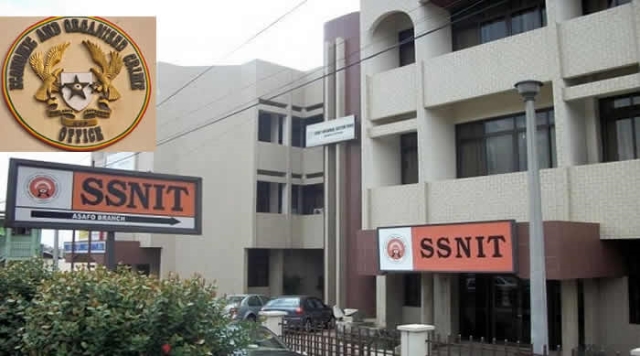
For countless retirees in Ghana, the dawn of a new year rekindles a familiar worry: will their pensions be enough to meet the rising costs of food, healthcare, transport, and housing? The Social Security and National Insurance Trust (SSNIT) has announced a 10 percent pension increase for 2026, offering a measure of relief. Yet, beyond the headline figure, the deeper question remains—who stands to gain the most, and for what reasons?
Not a flat raise – and that’s deliberate
A 10 percent increase may sound simple, but SSNIT has implemented it through a redistributive formula anchored in what it terms the “solidarity principle” of social security. Under this arrangement, every pensioner is guaranteed a 6 percent rise. The remaining 4 percent is converted into a flat sum of GH¢91.56, deliberately structured to raise lower pensions more significantly than higher ones. Put plainly: the smaller your pension, the larger your effective increase is likely to be
A lifeline for low-income pensioners
This formula significantly reshapes outcomes for retirees on lower incomes. A pensioner who received the minimum GH¢300 per month in 2025 will now earn GH¢409—an effective rise of more than 36 percent. Likewise, someone on GH¢500 will see their pension increase to GH¢621.56, a gain of over 24 percent.
For retirees in this category, the adjustment goes beyond inflation; it can mean the difference between eating three meals a day instead of skipping one, or affording both medication and transport rather than having to choose. SSNIT projects that roughly 70 percent of pensioners will benefit from the full 10 percent increase—or even more—thanks to this redistributive approach.
Middle earners: protected, not enriched
Pensioners in the middle-income range see a more conventional adjustment. Someone earning around GH¢2,018 now receives GH¢2,220, almost exactly 10 per cent. For this group, the increase largely serves its traditional purpose: protecting purchasing power, not significantly expanding it.
With inflation at about 5.4 per cent, these pensioners still enjoy a modest real gain, but not the dramatic leap seen at the bottom of the scale.
High earners: smaller gains by design
At the top end, the story is very different. The highest pensioner on the SSNIT payroll will see an increase of just over six per cent. In absolute terms, this still translates into thousands of cedis. But in percentage terms, it is the smallest gain.
SSNIT’s Chief Actuary, Evelyn Adjei, made the logic plain: those who already earn more receive less effectively, so that those with the least can gain more meaningfully.
Sustainability versus compassion
Indexing pensions is not cheap. SSNIT says this year’s adjustment will cost an additional GH¢616 million. The Trust insists the decision balances compassion for pensioners with the long-term sustainability of the Fund.
The increase was calculated using projected salary growth, inflation expectations, and actuarial assessments, all within the framework of Section 80 of the National Pensions Act.
Director-General Kwesi Afreh Biney argues the outcome achieves two goals at once: shielding all pensioners from inflation, while delivering real income growth to the most vulnerable.
What it means in everyday life
For retirees at the lowest income levels, the 2026 adjustment could translate into better nutrition, improved access to healthcare, and a modest yet significant restoration of dignity. For others, it provides reassurance that their pensions are not quietly eroding in real value. In essence, SSNIT’s latest decision underscores a clear priority: this year’s pension increase is less about uniform percentages and more about addressing unequal needs—placing Ghana’s most vulnerable pensioners at the forefront.
Source: Bernard Ralph Adams

