

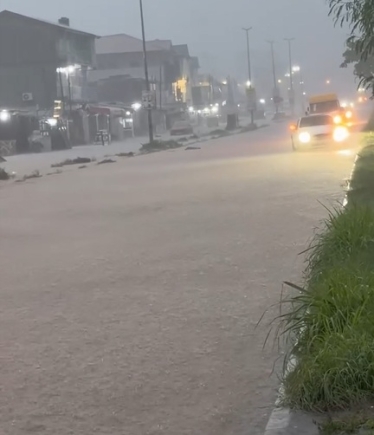
President John Dramani Mahama has linked Monday’s devastating floods in Accra to a mix of extreme rainfall, shifting climate patterns, weak drainage systems, and human activity. After an aerial inspection of affected areas on June 29, Mahama described the flooding as among the worst in recent memory. He noted that Accra recorded about 140 millimetres of rain in a single day—far above last year’s peak of 56 millimetres—overwhelming the city’s drainage capacity.
Citing data from the Ghana Meteorological Agency, he highlighted a sharp rise in rainfall intensity: June totals climbed from 85 millimetres in 2024 to 172 millimetres in 2025, and 333 millimetres in 2026. The increasing frequency of rainy days, he explained, leaves drainage channels little time to recover, worsening conditions in low‑lying areas.
Mahama also pointed to Accra’s geography as a contributing factor. The city lies between the Akwapim mountains and the Atlantic Ocean, with natural waterways increasingly obstructed by urban development, further amplifying the risk of flooding.
He said rapid population growth and unplanned construction have narrowed or blocked the natural paths through which stormwater flows into the sea, creating serious drainage bottlenecks. The President also highlighted human behaviour as a major factor, citing indiscriminate dumping of waste into drains and the conversion of wetlands into illegal dumping sites and settlements.
He described reports of illegal waste disposal sites being created and later sold for construction as particularly worrying, saying such practices worsen flooding risks for entire communities. President Mahama stressed that addressing the crisis requires both engineering solutions and strict enforcement of planning and environmental laws, including clearing obstructed waterways and removing buildings on drainage paths.
He noted, however, that enforcement often attracts criticism, as demolition of illegal structures is sometimes viewed as harsh, even though failure to act leads to wider suffering during floods. He said the latest flooding underscored the need for collective responsibility, adding that the actions of a few individuals who block waterways ultimately affect the entire city.
Source: Abigail Arthur

