

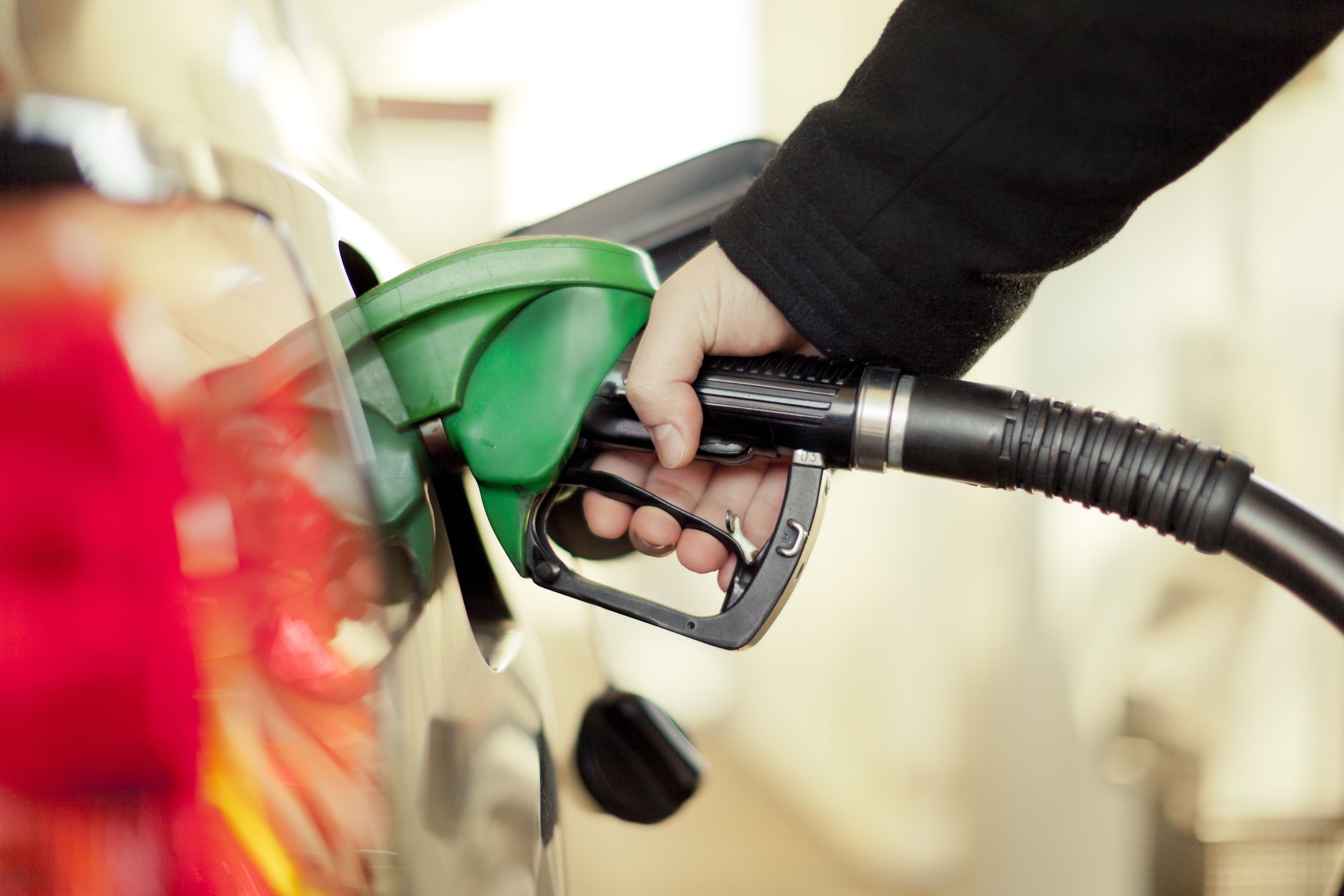
The government has announced the extension of the GH¢2 per litre reduction in the regulatory margin on diesel into the next pricing window, aimed at cushioning consumers against rising petroleum costs. Citi Business News understands the decision follows concerns over anticipated fuel price hikes at the pumps beginning September.
The subsidy, initially introduced as a temporary measure for two pricing windows and scheduled to expire at the end of August, will now remain in place, preventing the full GH¢2 margin from being reinstated. The move is expected to provide relief to motorists, transport operators, and businesses, particularly as diesel currently sells at around GH¢17 per litre at most Oil Marketing Companies (OMCs).
The Chamber of Petroleum Consumers (COPEC) had urged government to continue the intervention, warning that its expiry could push diesel prices close to GH¢20 per litre. Executive Secretary Duncan Amoah argued that maintaining the measure would help shield consumers from the expected upward adjustment in petroleum prices.
“Government originally had indicated it was going to do that for just two window periods, which is a month. We would want to plead that at least the next two weeks be considered again. Already diesel is around GH¢17 a litre for most of the OMCs. “Allowing the GH¢2 to come back [off] would mean we will be doing GH¢19, approaching GH¢20 a litre. That situation I think the government itself is uncomfortable for,” he said in an interview with Citi Business News.
COPEC had also projected marginal increases in petroleum prices from Tuesday, September 1, citing developments on the international oil market. Duncan Amoah said petrol prices were particularly likely to increase, following a nearly 10% rise in the commodity’s international trading price over the preceding two weeks.
Fuel prices are expected to rise slightly starting from the first window of September. Petrol prices are likely to increase the most, as they have already risen nearly 10% in the past two-week period. Officials indicated that prices would go up.
To alleviate some of the burden on consumers, the government introduced a reduction of GH¢2 per litre in the regulatory margin on diesel, effective August 4, in response to a surge in international oil prices that has raised domestic petroleum prices. This intervention marks the government’s second significant attempt to ease the impact of rising fuel prices since tensions in the Middle East escalated in February.
The continuation of this measure into September aims to mitigate the immediate effects of higher international oil prices on diesel consumers and to prevent a sharper increase in transport, logistics, and operating costs for businesses. Additionally, this step could provide some relief to households, as rising diesel prices generally lead to increased transportation costs and affect the prices of goods and services throughout the economy.

