

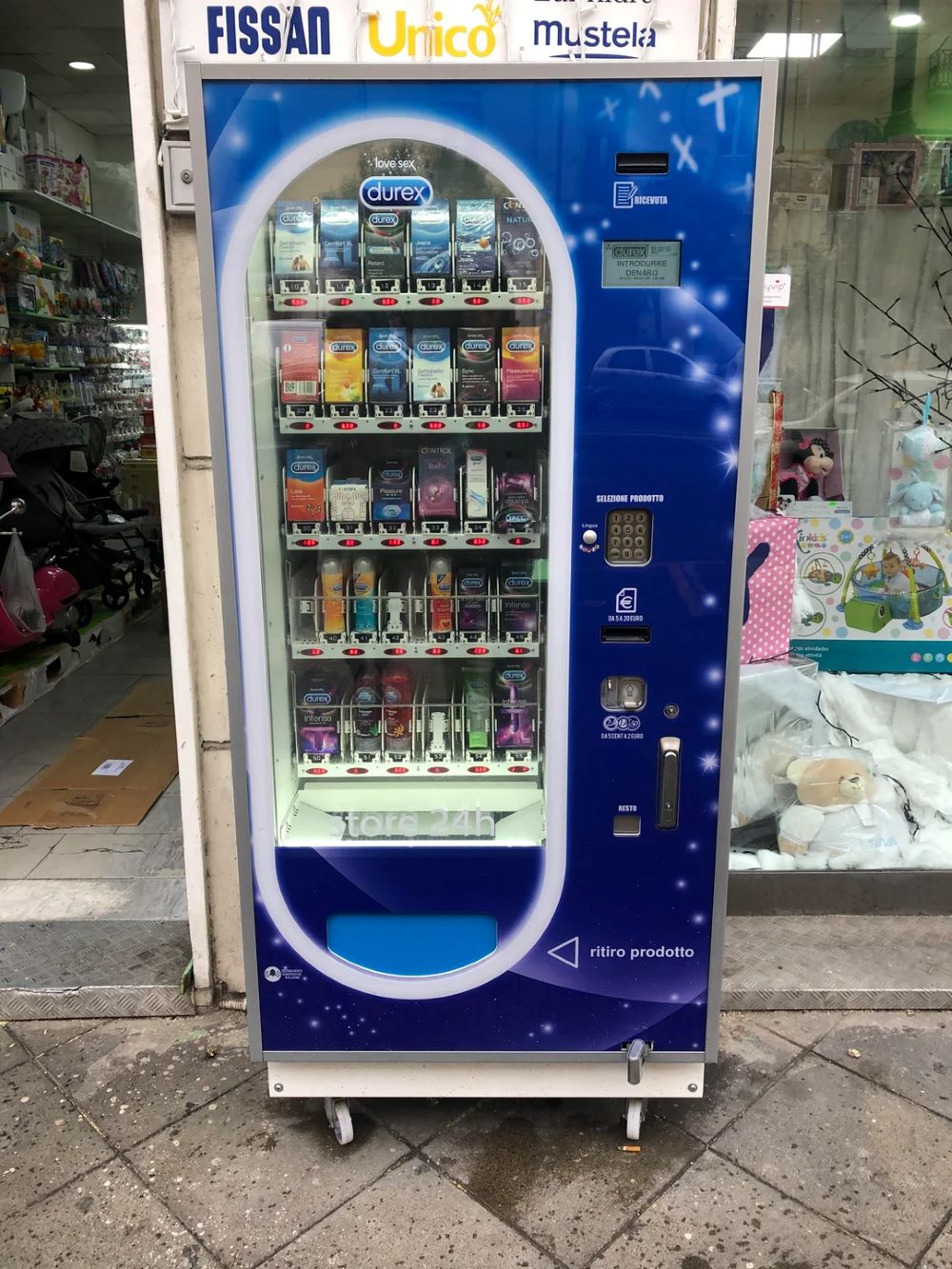
Ghana will roll out condom vending machines nationwide by the final quarter of 2026 as part of efforts to curb HIV/AIDS and expand access to condoms, the Ghana AIDS Commission (GAC) has announced. The machines will be placed at key public locations—including lorry stations, mosques, stadia, and shopping malls—to enable individuals to obtain condoms discreetly without direct interaction with vendors, according to GAC Director‑General Dr. Kharmacelle Prosper Akanbong.
He added that the initiative would also be extended to public institutions, such as washrooms in ministries, departments, agencies, and financial institutions, under the framework of the national HIV and wellness policy. Speaking at a dissemination meeting in Accra on the 2026 HIV Estimates and Projections, Dr. Akanbong revealed that the Commission is developing a new vending strategy as part of its broader condom and lubricant programme.
“The machines will not all be identical,” he explained. “Depending on the specific characteristics of a local population, the devices deployed may be electronically operated or manually administered.”
Dr Akanbong explained that Ghana had previously introduced condom vending machines, which dispensed packs of three condoms for 50 pesewas, but the programme eventually collapsed after many of the machines were vandalised. “People were forcefully emptying the machines to take the coins,” he said.
He added that the new generation of machines would be designed to reduce the incentive for vandalism. Responding to concerns about condom shortages reported last year, Dr Akanbong said the government had since procured additional supplies, which were now available across the country.
The dissemination meeting highlighted Ghana’s 2026 HIV Estimates and Projections, which evaluate the current state of the epidemic, identify gaps in the national response, and provide direction for future interventions. Dr. Kafui Senya, Technical Lead for HIV, Tuberculosis, and Hepatitis at the World Health Organization Country Office, stressed that the latest figures reinforce the need for sustained action to reduce new infections, eliminate stigma and discrimination, and guarantee equitable access to quality prevention and treatment services.
Programme Manager of the National AIDS and STIs Control Programme, Dr. Emmanuel Akwoulo Agyigewe Teviu, called on stakeholders to close persistent gaps in HIV prevention and strengthen integrated, people‑centred care. Meanwhile, the Governing Board Chair of the Ghana AIDS Commission, Kakra Essamuah, reaffirmed government’s commitment to bolstering Ghana’s national HIV response.
Source: William Narh

