

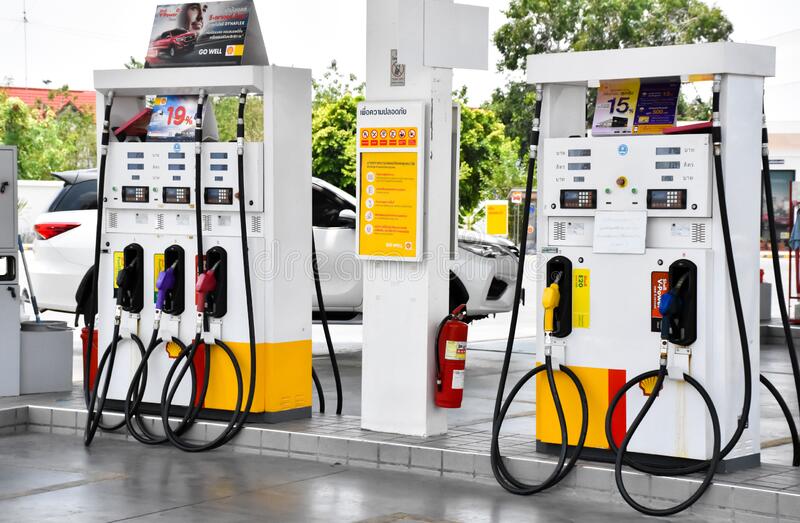
Fuel prices are projected to fall between 5% and 9% in the first pricing window of June, offering relief to consumers amid persistent inflationary pressures. The forecast, released by the Africa Sustainable Energy Centre (ASEC), attributes the expected drop largely to the recent appreciation of the Ghanaian cedi against the US dollar.
According to ASEC’s latest market assessment, petrol is expected to retail between GHS 12.00 and GHS 12.60 per litre, while diesel could sell for between GHS 12.60 and GHS 13.20 per litre during the upcoming pricing window. Ghana’s fuel pricing mechanism is adjusted biweekly and reflects changes in global oil prices, exchange rates, and import costs.
While global crude oil prices have dipped—from about $85 per barrel in January to roughly $64 currently—the cedi’s strengthening has had a more immediate impact on local pump prices. “Because petroleum imports are dollar-denominated, a stronger cedi means lower procurement costs for oil marketing companies, which should translate into reduced prices at the pumps,” ASEC said in a statement.
The anticipated reduction is expected to ease transportation costs and overall inflation, offering short-term respite for households and businesses. However, ASEC cautioned that falling oil prices could put pressure on government revenue. As a net exporter of crude oil, Ghana relies heavily on international oil prices to support foreign exchange inflows and budgetary funding. With Brent crude now down more than 24% since the start of the year, the government risks earning less from petroleum-related exports.
“Unless these declines are purely exchange rate-driven, lower global prices typically result in reduced state revenue. The government may need to ramp up production volumes to offset shortfalls,” ASEC noted. Looking ahead, the think tank projects that global crude oil prices could remain in the $62–$65 per barrel range, driven by higher output from OPEC+ producers and softening demand from major economies like the U.S. and China.
ASEC said it will continue monitoring market trends and provide evidence-based insights to guide policy. It also urged the government to balance consumer relief with long-term strategies for energy security and fiscal resilience. Fuel prices remain a critical economic indicator in Ghana, influencing inflation, cost of living, and industrial activity. While the expected drop in pump prices may be temporary, it signals a positive turn in economic sentiment as the country navigates its recovery path.

