

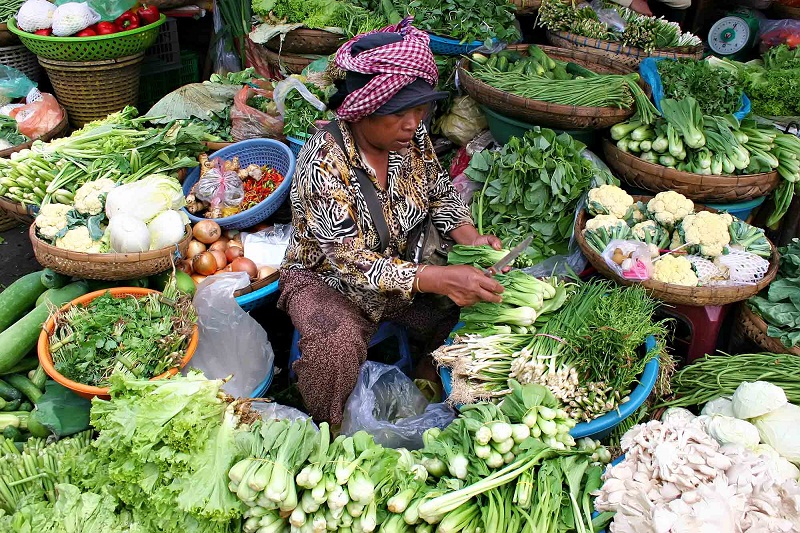
Ghanaian cuisine is more than sustenance—it is a mirror of our identity as a people. From the comforting stir of simmering soups to the rich aromas of their accompaniments, every meal carries timeless stories of home and heritage. The familiar rhythm of mortar and pestle, blending with the fragrance of spices rising from the kitchen, remains one of the defining sounds of our culinary tradition. These flavours, scents, and cooking rituals have nourished generations and helped shape our national character. Yet today, the growing prevalence of non-communicable diseases, shifting food trends, and evolving perceptions raise a pressing question: are the beloved meals of our childhood still as wholesome for us now?
Ghanaian kitchen
A closer look at the Ghanaian kitchen reveals a system rooted in both culture and nutritional wisdom. Traditional cereal-based fermented meals such as koko, banku, kenkey and cassava dough provide beneficial probiotics that support digestion and enhance nutrient absorption. Soups and stews such as kontomire, palmnut, groundnut and okro remain nutrient-dense, offering essential vitamins and minerals such as iron, folate, vitamin A, fibre and healthy fats.
Legumes, nuts, and seeds—such as beans, groundnuts, and melon seeds (agushi)—provide rich plant-based proteins and heart-healthy oils, making many Ghanaian meals naturally well-balanced. Dishes like gobɛ remain dependable and affordable sources of nourishment, especially for students and low-income households. For generations, these foods sustained farmers, traders, and families across the nation. Rooted in fresh, locally sourced ingredients and prepared with minimal processing, traditional Ghanaian meals have long promoted healthy living. Evidently, the foods themselves have never been the problem.
Perception of starchy foods
The notion that Ghanaian foods are “too starchy” or “unhealthy” stems less from the meals themselves than from changing lifestyles and habits. Portion sizes, for example, have grown considerably over time. Regularly consuming large servings of fufu, kenkey, rice, or yams without adequate physical activity contributes to gradual weight gain and heightens the risk of diet-related illnesses.
Taste preferences have also shifted, with modern cooking practices often relying heavily on oil, salt, and artificial seasonings, gradually displacing the natural spices that once defined Ghanaian cuisine. The rising intake of sugary drinks alongside meals has further worsened the situation, fueling cases of hypertension, diabetes, and other non-communicable diseases. In truth, traditional Ghanaian meals remain wholesome; what has changed is the way they are prepared, the frequency with which they are consumed, and the portions served.
Don’t abandon our foods
There is no need to abandon Ghanaian foods in pursuit of healthier living.
Rather, a more mindful approach to eating can ensure that these meals continue to nourish and protect. The Ghana Food-Based Dietary Guidelines (GFBDG) emphasise the importance of consuming a variety of vegetables, particularly green leafy and brightly coloured types, many of which already feature prominently in local soups, stews and salads. The guidelines recommend regular consumption of fruits, preferably in season, as part of meals or snacks.
The guidelines further recommend incorporating a variety of whole or minimally processed grains—such as maize, brown rice, millet, fonio, wheat, and oats—together with roots and tubers consumed in appropriate portions. They also highlight the importance of diverse animal-source foods, with particular emphasis on fish, especially oily sea varieties, valued for their heart-protective benefits.
Moderation in the use of fats and oils, alongside reduced intake of sugar-sweetened beverages, is strongly encouraged. Equally vital is the revival of authentic Ghanaian flavours through natural spices such as prekese, dawadawa, cloves, anise, ginger, and garlic. Beyond enhancing taste, these traditional ingredients carry anti-inflammatory and health-promoting properties that processed seasonings cannot replicate.
Ultimately, food remains one of the strongest expressions of Ghana’s cultural heritage. With a few thoughtful adjustments, guided by the Ghana Food-Based Dietary Guidelines, it is possible to preserve this heritage while promoting better health outcomes. Seeking personalised advice from qualified nutrition professionals, such as registered dietitians or nutritionists, can further support individuals in making informed dietary choices.
The writers are at the Department of Dietetics, School of Biomedical and Allied Health Sciences, University Of Ghana.
Source: Mabel Amokwadoh Mensah & Matilda Asante

