

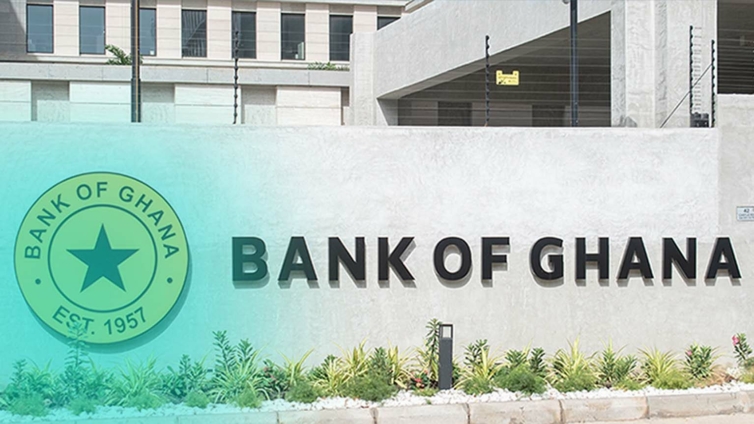
The Bank of Ghana (BoG) has officially announced the conversion of all rural banks into community banks, marking a major transformation of a subsector that has anchored financial inclusion for five decades. In a press release issued on Wednesday, the central bank confirmed that the Rural Banking Sector has now transitioned into the Community Banking Sector under the Guideline on the Revised Microfinance Sector Framework, 2026.
As part of the directive, existing rural banks are required to complete statutory name changes, corporate rebranding, and regulatory alignments by December 2026. The conversion is described as a strategic milestone in Ghana’s ongoing microfinance sector reform, designed to usher in a new era of community‑level financial intermediation.
The move coincides with the 50th anniversary of rural banking in Ghana, which was introduced in 1976 by the Government and the BoG to expand access to financial services in rural communities and integrate them into the national financial system. Over the years, the subsector has become a cornerstone of the banking industry and a key driver of financial inclusion.
The subsector currently comprises 147 licensed institutions with approximately 1,000 branch networks nationwide, serving over eight million customers. Its growth and impact reflect a combination of sustained policy support, a development-oriented regulatory approach, and a unique synergy derived from shared community ownership and customer base.
Through this conversion, the Bank of Ghana is repositioning the Community Banking sector as a modern banking segment to deepen inclusive finance in both rural and urban communities and integrate them into the national financial architecture.
The reform forms part of a broader overhaul of the microfinance sector, which replaces the previous Tier 1–4 structure with four categories: Microfinance Banks, Community Banks, Credit Unions, and Last-Mile Providers. Under the new framework, Community Banks are required to meet revised minimum capital requirements of GH¢5 million, while new urban Community Banks must maintain GH¢10 million.
The Bank of Ghana has also restructured ARB Apex Bank Limited to serve as a central services hub for the sector, providing services including reserve management, emergency liquidity support, cheque clearing, and shared digital infrastructure. All affected institutions are required to complete their transition processes by December 31, 2026, with the central bank temporarily restricting licensing of new institutions to ensure an orderly rollout.
The Bank of Ghana encouraged stakeholders and the public to support the transition as the institutions enter what it described as a new chapter in community banking.
Source: GraphicOnline

