

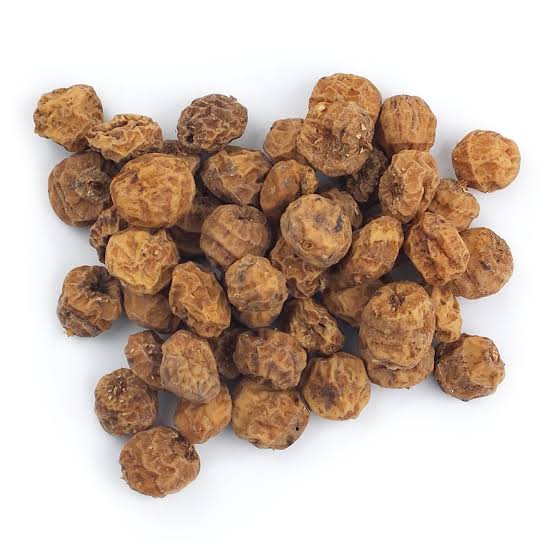
Tiger nuts (Cyperus esculentus) have been consumed for centuries across Africa, the Middle East, and Europe. Despite their name, they are not true nuts but small, edible tubers with a naturally sweet taste and a pleasantly chewy texture. Traditionally, tiger nuts have been celebrated as a natural aid for enhancing male sexual performance, libido, fertility, and erectile function. They often feature in herbal remedies and are blended into drinks with dates, coconut, or spices, promoted as natural aphrodisiacs.
Yet the question remains: how much of this reputation is backed by science? Before exploring that, it helps to understand their nutritional profile. What makes tiger nuts particularly noteworthy is their rich composition of nutrients that support overall health and may, indirectly, benefit aspects of reproductive wellness. They provide:
Dietary fibre
Vitamin E
Vitamin C
Magnesium
Potassium
Zinc
Healthy fats
Plant compounds with antioxidant activity
These nutrients contribute to normal body functions, including circulation, hormone production, and protection of cells from oxidative stress.
What does the research show?
Much of the enthusiasm linking tiger nuts to male sexual health stems from animal research rather than human studies. Experiments with male rats have shown that diets supplemented with tiger nuts can increase sexual motivation, enhance performance, and raise testosterone levels compared with control groups. Some studies also noted improvements in antioxidant capacity and reproductive markers.
For instance, one investigation reported that tiger nut supplementation boosted testosterone concentrations and strengthened measures of sexual behaviour in male rats. Another found positive effects on hormone balance and antioxidant activity, which may support reproductive function. Additional animal studies suggest potential benefits for sperm production and testicular health.
These findings are intriguing and provide a foundation for further exploration. However, results from animal models cannot be assumed to apply directly to humans. At present, no high‑quality clinical trials demonstrate that tiger nuts improve libido, treat erectile dysfunction, or elevate testosterone in men. The evidence in humans therefore remains limited.
Could tiger nuts support sexual health indirectly?
Although direct evidence is lacking, tiger nuts contain nutrients that may support some of the systems involved in sexual function.
1. Supporting Healthy Blood Flow
An erection depends heavily on healthy blood vessels and adequate blood flow.
Tiger nuts contain healthy fats, minerals, and antioxidant compounds that may support cardiovascular health. Since erectile difficulties can sometimes be linked to poor circulation, foods that support heart health may also indirectly support sexual health.
2. Providing Antioxidants
Oxidative stress can damage cells throughout the body, including reproductive tissues.
Tiger nuts contain antioxidants such as vitamin C, vitamin E, and plant compounds including quercetin. These nutrients help protect cells from oxidative damage and support overall health.
3. Contributing to Hormone Production
Minerals such as zinc and magnesium play important roles in many biological processes, including hormone metabolism.
Tiger nuts are not an exceptionally rich source compared with foods such as seafood, meat, legumes, seeds, and nuts, but they can contribute to overall nutrient intake as part of a balanced diet.
4. Supporting Fertility
Some animal studies have reported improvements in sperm production and reproductive markers following tiger nut supplementation. While these findings are encouraging, human studies are needed before firm conclusions can be drawn.
What about erectile dysfunction?
It is important to distinguish between libido and erectile dysfunction.
Libido refers to sexual desire, while erectile dysfunction refers to difficulty achieving or maintaining an erection.
There is currently no scientific evidence that tiger nuts can cure erectile dysfunction. Men experiencing persistent erectile difficulties should seek medical assessment because erectile dysfunction can sometimes be an early warning sign of conditions such as:
Diabetes
High blood pressure
Heart disease
Obesity
Sleep disorders
Hormonal problems
Addressing these underlying conditions is likely to have a much greater impact on sexual health than relying on any single food.
The bottom line
Tiger nuts are a nutritious traditional food with an interesting history and promising early research. They provide fibre, minerals, antioxidants, and healthy fats, all of which contribute to overall wellbeing. The current evidence suggests that tiger nuts may have potential benefits for male reproductive health, but most of the supporting research comes from animal studies. Human studies are still needed.
Written by Dr. Laurene Boateng (PhD, RD)
Dr. Laurene Boateng is a Registered Dietitian and Senior Lecturer in the Department of Dietetics, University of Ghana. She is the founder and editor-in-chief of Full Proof Nutrition, a Nutrition Consultancy committed to providing reliable, evidence-based, and practical healthy eating advice through its website www.fullproofnutrition.com. Click here to join Full Proof Nutrition WhatsApp channel to receive more educative content. Send us a mail on fullproofnutrition@gmail.com. Grab a copy of my book on healthy eating – available now on Selar (Buy HEALTHY EATING MADE SIMPLE by Laurene Boateng on Selar) and Amazon (https://amzn.eu/d/6i9OeVb).
References
Allouh, M. Z., Daradka, H. M., & Abu Ghaida, J. H. (2015). Influence of Cyperus esculentus tubers (tiger nut) on male rat copulatory behavior. BMC Complementary and Alternative Medicine, 15(331). https://doi.org/10.1186/s12906-015-0841-8
Daka, I. R., Odinga, T., Lemii, B. C., Gabriel-Brisibe, C. U., Enebeli, S. K., Austin-Asomeji, I., & Edward, F. U. (2024). Male reproductive hormonal activity of synergistic ingestion of aqueous extract of Cyperus esculentus, Phoenix dactylifera and Cocos nucifera in male rat model. Asian Science Bulletin, 2(1), 60–73. https://doi.org/10.3923/asb.2024.60.73
Nwakanma, A. A., Ekong, M. B., Ngwuben, I. C., Idaguko, C. A., & Elemuo, C. O. (2022). Cyperus esculentus L. protects testis and sperm morphology of hyperglycaemic rats. European Journal of Medical and Health Sciences, 4(5), 1–14.
Osibemhe, M., Mohammed, B., & colleagues. (2024). Aphrodisiac potential of tiger nut (Cyperus esculentus L.) powder on sexual behaviour in male albino rats. Sahel Journal of Life Sciences.

