

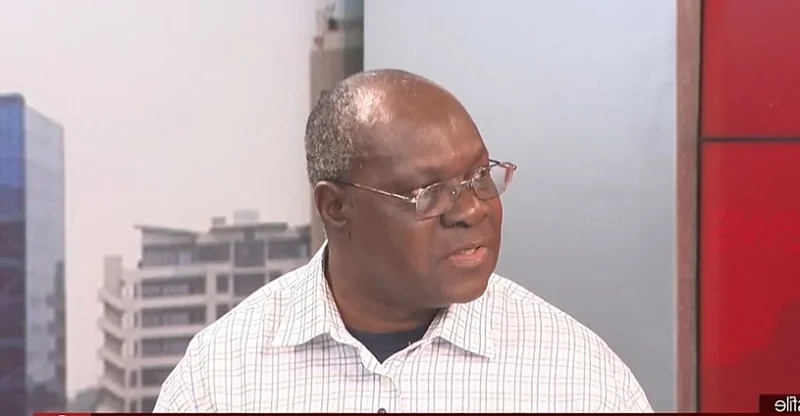
Political analyst and former New Patriotic Party (NPP) presidential aspirant, Dr. Arthur Kennedy, has argued that the NPP does not merit another chance to govern Ghana. He described the party as unrepentant and cautioned that its return to power could erode public confidence in the justice system.
Speaking on Newsfile, Dr. Kennedy made the remarks during a discussion on the influence of political power over Ghana’s legal system and the ongoing debate on plea bargaining in high‑profile criminal cases. He noted that politically connected individuals often benefit when governments change, prompting host Samson Lardi to ask if he was effectively saying the NPP should not return to office.
Dr. Kennedy responded: “The NPP, as it is framed now, as it is constituted now, unrepentant as it is, does not deserve to return to power. But that is a different show.” Earlier in the programme, he had warned that shifts in political power can significantly affect the trajectory of high‑profile criminal prosecutions.
He argued that Ghana’s justice system should apply the law equally, regardless of a person’s social or political standing. “A nation that deals fowl thieves and cassava thieves should not let big people go free when they commit crimes.” While acknowledging that plea bargains can reduce the cost and duration of criminal prosecutions, Dr. Kennedy maintained that they should not amount to immunity from punishment.
“So, yes, the negotiation can save us prosecution cost and defense attorney cost and all that kind of thing, but still punishment ought to be part of a plea deal.” Drawing comparisons with the United States, he explained that plea bargains typically result in reduced sentences rather than the complete avoidance of punishment.
“Here, a plea deal in the United States, for example, means that if this might have led to imprisonment for life, it may lead to, say, 10 or 15 years’ imprisonment. In other words, you might get a lesser sentence when you do a plea deal, but it does not mean that if you clearly committed a crime, you can walk away scot-free.”
Dr. Kennedy also cautioned against assuming guilt before the judicial process is concluded, reiterating the legal principle that every accused person is presumed innocent until proven guilty.
“So one should not presume anybody guilty. He’s innocent until proven guilty. He should be able to engage, but I think that some kind of custodial sentence or criminal penalties must be on the table.”
Source: Myjoyonline.com

