

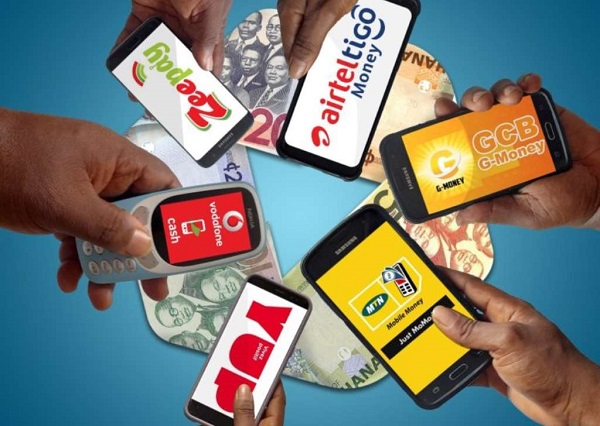
In the first quarter of 2025, Ghanaians lost an estimated $1.3 million to mobile money fraud, highlighting the increasing threat of cyber-enabled financial crime in the country, according to a recent INTERPOL report. The INTERPOL African Cyberthreat Assessment Report 2026 identifies Ghana as one of the nations facing a surge in mobile money fraud, with losses attributed to cybercriminals who are increasingly exploiting digital payment platforms to target unsuspecting users.
The report describes mobile money fraud as Africa’s most common online scam, noting that 97% of countries responding to INTERPOL’s member country survey recognized it as a significant cybercrime threat. Criminals typically use phishing, SIM-swap attacks, fake promotions, and social engineering techniques to access victims’ mobile wallets and steal their funds. .
“Mobile money fraud has emerged as the most prevalent online scam reported by member countries,” the report stated, warning that the rapid growth of digital financial services has created new opportunities for cybercriminals.
The report highlights Kenya as another country heavily affected by the trend, where authorities detected more than 123,000 fraudulent SIM cards in 2025 that were linked to SIM-swap fraud. It says criminals increasingly exploit weaknesses in mobile payment ecosystems to intercept one-time passwords, hijack customer accounts and conduct unauthorised transactions.
INTERPOL warned that advances in artificial intelligence are making online scams more convincing and difficult to detect. Fraudsters are using AI-generated messages, voice cloning and other social engineering techniques to deceive victims into revealing sensitive financial information or authorising fraudulent transactions.
The report calls for stronger cooperation between law enforcement agencies, financial institutions and telecommunications companies to combat the growing threat. It also urges countries to strengthen public awareness campaigns and improve cybersecurity measures to protect users of digital financial services.
Source: William Narh

