

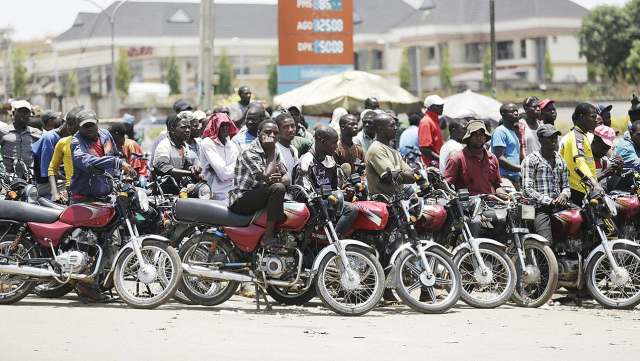
Ibrahim Adjei, former Secretary to the Office of ex-President Nana Addo Dankwa Akufo-Addo, has lauded the passage of the Road Traffic Amendment Bill 2025—popularly referred to as the Okada Bill—describing it as a progressive measure with the potential to generate employment and bring greater order to the transport sector.
Appearing on Breakfast Daily on Channel One TV on Monday, December 15, Mr. Adjei urged broad support for the legislation, noting that the New Patriotic Party’s (NPP) earlier opposition stemmed primarily from safety concerns. He explained that the party’s reservations were shaped by the high incidence of accidents and fatalities involving commercial motorcycle operators and their passengers, which made caution imperative at the time.
He said the NPP believed it was important to first address how to regulate the sector effectively and ensure that the necessary safety measures were in place before legalising the practice.
“Why it was opposed early on by the NPP was because we had a high rate of deaths involving Okada riders. How to address that and ensure the necessary regulations were in place was what led us to say we needed to hold on, regulate it properly, study the entire ecosystem and see how best we could integrate them into the transport system,” he said.
Mr Adjei noted that with the bill now passed, commercial motorcycle riders will be encouraged to operate within the law, rather than outside the regulatory framework.
“The bill has been passed, and it is good. I think all of us need to support it because it will encourage Okada riders to work within the law. Until it was passed, riders were a law unto themselves, but now they can operate legally and create employment,” he added.
Parliament has approved the Road Traffic Amendment Bill 2025, which formally legalises the commercial use of motorcycles, tricycles, and quadricycles. The legislation also introduces stricter provisions on alcohol concentration levels for drivers, aimed at curbing drunk driving and reducing related accidents.
The passage of the bill is anticipated to enhance road safety, generate employment opportunities for young people, and establish a comprehensive regulatory framework for the road transport sector.
Source: Isaac Appiah Kubi

