

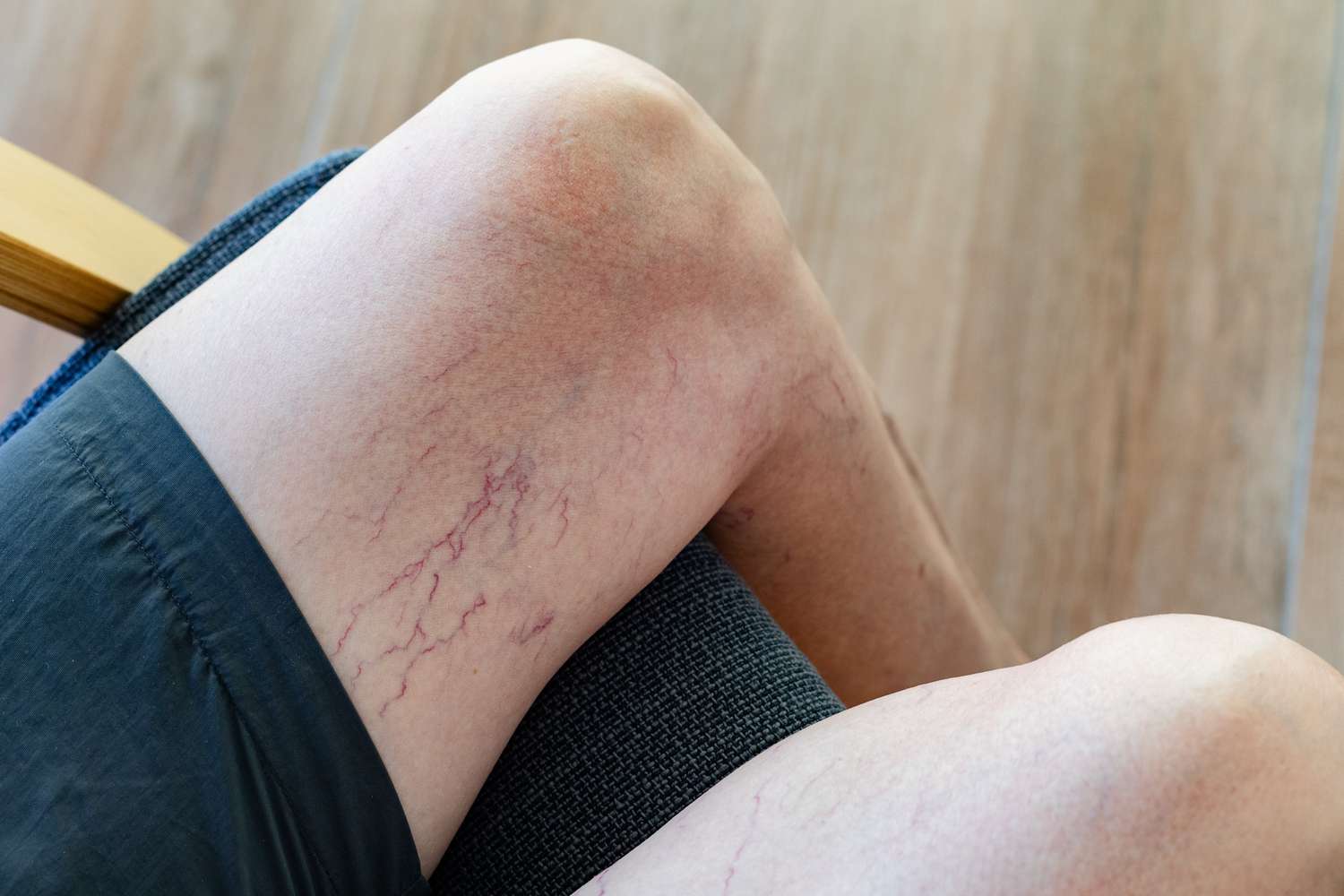
Bleeding into the skin” describes the escape of blood from tiny vessels into nearby tissues, producing visible changes such as red spots, broken capillaries, or areas of pooled blood. These signs often appear on exposed or strain‑prone regions like the arms, legs, and face. Recognising these sudden skin changes is important, as they may signal underlying health concerns. This article will outline practical steps to take when you notice such symptoms. Bleeding into the skin can show up in a few different ways:
Red Dots (Petechiae)
Petechiae are tiny, red, or purple spots or patches less than about 2 millimetres (mm) in diameter that look like freckles and do not go away when you press on them. They happen when small blood vessels break just under the skin and can be a sign of various issues. When the spots are larger, between 4 and 10 mm in diameter, they are called purpura
Burst Vessels (Telangiectasia)
Telangiectasia are visible red or purple lines on the skin, often called spider veins or broken capillaries. They occur when small blood vessels near the skin’s surface expand. They appear as fine lines that disappear temporarily when pressed. They can be caused by pressure, ageing, or certain health conditions.
Blood Pooling (Ecchymosis)
Ecchymosis appears as larger, bruised areas of discolouration where blood has collected under the skin. It usually happens after a significant impact or injury, and the colour changes from red to purple, then green and yellow as it heals.
Causes of Sudden Bleeding Into the Skin
Sudden bleeding into the skin can occur for reasons such as:
Injury or trauma: A direct hit or impact to the skin can cause blood vessels to break, leading to bruises or red dots. Even minor bumps can sometimes cause noticeable changes.
Medications: Some drugs, especially blood thinners like Lovenox (heparin) or antiplatelet medicines like Plavix (clopidogrel), can increase the risk of bleeding. If you’re taking these, even small injuries might cause more noticeable bleeding into the skin.
Pressure or strain: Activities that put a lot of pressure on certain body parts, like lifting heavy weights, can cause small blood vessels to burst and result in red spots.
Septicemia: Widespread body response to infection that can lead to bleeding in the skin
Allergic reaction: A reaction to a foreign substance, drug, or infection can cause hypersensitivity vasculitis, which leads to inflammation and damage to blood vessels, mostly in the skin.
Understanding these causes helps identify whether the bleeding is a result of something minor or if it might be linked to a more serious issue. If you’re unsure, consult your healthcare provider.
Causes of Chronic Bleeding Into the Skin
With age, skin and blood vessels become fragile, making it easier for them to break and cause bleeding spots.
Chronic bleeding under the skin can also result from:
Long-term use of certain medications, especially anticoagulants (blood thinners)
Thrombocytopenia (low blood platelet count)
Hemophilia a rare bleeding disease in which blood cannot clot properly
Leukaemia: a type of cancer that affects the blood and bone marrow
Meningitis, inflammation of the membranes covering the brain and spinal cord, which can affect blood clotting
A viral infection or illness that affects blood clotting
Chemotherapy, a cancer treatment that can affect blood cells and clotting
Malnutrition, such as deficiencies of vitamins B12, C, or K, or folate
Liver disease, such as cirrhosis (scarring and permanent damage)
Autoimmune disorders such as immune thrombocytopenic purpura (ITP), a bleeding disorder in which the immune system destroys platelets necessary for blood clotting
Healing the Symptoms of Bleeding Into the Skin
Healing bleeding into the skin, such as bruises or blood spots, usually takes time. Understanding what to expect can help you recognize when your skin is recovering and when to seek medical advice.
As a bruise caused by leaking blood vessels heals, it often changes color, moving from red or purple to blue, green, yellow (more so in lighter skin tones than in darker skin tones), and finally to brown before fading away.
A transitioning of color is a normal part of the healing process as the body breaks down and absorbs the blood. Bruising typically heals within two weeks.
To support healing in bleeding into the skin:
Avoid activities that might further irritate or damage the affected skin.
For bruises, applying ice can reduce swelling and numb pain. After 48 to 72 hours, if the swelling is gone, apply heat.
Ensure you are getting adequate nutrients like vitamins C and K, which are important for skin repair and blood clotting.
Refrain from using aspirin or other blood-thinning medications unless prescribed by a healthcare provider, as they can prolong bleeding1
If symptoms do not improve or worsen, or if you experience frequent unexplained bleeding, consult your healthcare provider for further evaluation and treatment.
Bleeding into the skin not healing
When bleeding into the skin, such as bruises, red spots, or blood pooling, doesn’t seem to heal properly, it may be a sign of an underlying issue or exacerbating factors. Here’s why this might happen and what you should do if you notice persistent or worsening symptoms:
Poor circulation: Inadequate blood flow to the affected area can slow the healing process. Conditions like peripheral artery disease can impair circulation and delay recovery.
Chronic medical conditions: Diseases such as hemophilia or certain types of cancer can affect your blood’s ability to clot and heal, leading to prolonged bleeding or bruising.
Medications: Certain medications, like blood thinners, can interfere with normal blood clotting and healing processes.
Nutritional deficiencies: Lack of essential nutrients, such as vitamin C (important for collagen production) or vitamin K (important for blood clotting), can hinder the skin’s ability to heal properly.9
When to Seek Medical Attention
If bleeding into the skin persists despite following home care measures, or if you experience the following, it’s essential to consult a healthcare provider:15
Sudden bleeding on the skin with no known reason
Persistent or worsening symptoms without an obvious cause
If you have chronic health conditions or take medications that could affect your blood’s ability to clot, contact your healthcare provider for guidance.

