

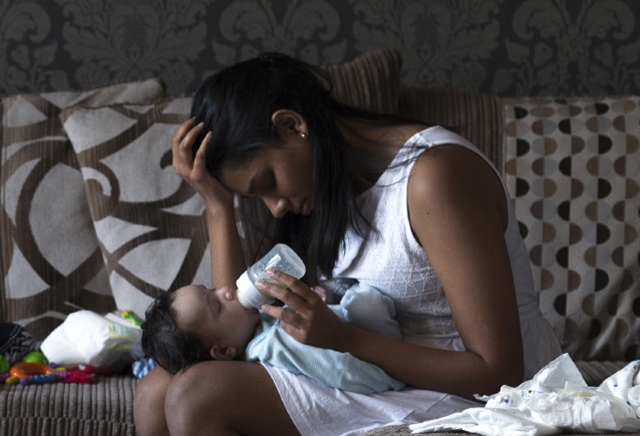
After childbirth, the focus often shifts entirely to the newborn—family and friends celebrate the baby’s arrival and eagerly ask about the gender. Yet, who pauses to check on the mother? In many African households, new mothers are expected to display strength immediately after delivery. But what happens when that strength falters? From the perspective of World Health Organisation (WHO) initiatives on mental health, postpartum depression (PPD) is recognised as a non-psychotic depressive illness—a distinct form of mental health disorder and a variant of depression. It is a serious, frequently underdiagnosed condition that emerges shortly after childbirth, impairing a mother’s ability to care for her baby.
In Ghana and other countries, cultural attitudes often frame symptoms of depression and related mental health challenges as spiritual or personal issues, rather than medical conditions that can be treated by healthcare professionals. This perception contributes to stigma and delays in seeking appropriate care.
Historically, our mothers and foremothers were celebrated for their immense resilience. In today’s 21st-century context, new mothers are often expected to “bounce back” immediately after birth, as if the profound physical and emotional toll of bringing a life into the world is not daunting enough! Our foremothers may have gone through this trauma, but they had little or no knowledge about postpartum depression and for the fear of speaking up about being worn out, they had to endure and care for their newborn babies regardless of their mental, physical and emotional state after delivery.
One way or the other, this mindset affects the younger generations of women who recognise that it is normal to go through such trauma, and that women should be cut some slack if they are tired, because they are not ‘super humans’ after all! The body goes through many changes before and after pregnancy. From what starts as a fetus, then grows to become a baby bump, the belly begins to stretch gradually and before a woman realises it, she is heavy in her body and would begin to lose strength as the day for delivery approaches. Some women, however, are fit from the first day to the very end and do not feel worn out.
Every woman’s experience of pregnancy and childbirth is unique. Some go through the journey with little or no pain, while others face complications that require hospitalisation from the very beginning. For many, delivery brings intense discomfort with no immediate relief. After birth, the body does not instantly return to its pre-pregnancy state—healing takes time and depends largely on the method of delivery. What remains certain, however, is that the body undergoes significant changes.
While some women unexpectedly gain weight, others become so overwhelmed that they neglect proper nutrition. Yet, eating well after childbirth is not optional—it is essential. Breastfeeding demands consistent energy, and the more a mother breastfeeds exclusively, the hungrier she becomes. Knowing this, it is important to prepare the body for the task of nourishing both mother and child.
Medical experts, including the Cleveland Clinic and March of Dimes, note that a woman’s body typically requires about 6 to 8 weeks to recover from childbirth. However, full physical and emotional healing is often described as a “fourth trimester” process, which may take 6 to 12 months—and in some cases, up to 18 months—for complete recovery.
From postpartum bleeding and baby blues to vaginal tears or episiotomies, women endure significant physical and emotional challenges after delivery. While many are medically cleared to resume sexual activity around six weeks postpartum, it is important to recognise that every woman’s healing journey is different. Partners are encouraged to be understanding and supportive when women are not ready to engage in sexual intercourse immediately.
When bonding is not instant
After nine months of pregnancy, one might expect a mother to be filled with joy when her baby finally arrives. Yet, depending on the stress she endured during pregnancy and after delivery, she may struggle to form an immediate emotional bond with her child—not because she lacks love, but because she needs more time to heal, and the readiness for care does not always come instantly.
In many African societies, such mothers are often misunderstood, with assumptions made about them without knowledge of their full story. While the idea of having a baby may have initially brought joy, the reality of the journey and the challenges of delivery can cause that affection to wane. What mothers often long for is understanding, but when the support and compassion they need from family and friends are absent, the emotional connection they hoped to nurture becomes even harder to sustain.
Common signs and symptoms of PPD include:
(a) Persistent crying or sadness
A mother would hear the baby cry but would be helpless, not knowing what to do. Having a baby is a whole different phase because even when you have your family and partner around, they can do what they can to make the baby stop crying but then the ‘food language’ the baby understands is breastmilk and as it calms the baby, it is also a bond between the mother and the baby and this is something no one can do on your behalf but yourself.
Babies can’t communicate whatever they may be going through and when you think you have fed them and you expect them to be mute, they burst out into loud cries that could be frustrating and you could end up crying too or just end up being sad because of frustration. At that point, when the baby has been well fed, you would then need to give the baby to the people close to you to take over, because once you try to figure it out on your own, it breaks you. Being sad as a new mother is not the best as it dampens your spirit and it even reflects on the baby, but if the needed help is absent, sadness would gradually creep in and you wouldn’t have the capacity to tackle it.
(b) Loss of interest in social activities
If people think going on maternity leave for 3months or even one year is fun, then they have it all wrong because this stage in life is even more than a 9-5 job because the cycle never ends. You are literally awake, caring for this little human and you are not permitted to go on a break because, although you may have the support, at the end of the day, you are the mother and the well-being of the child lies in your care. Seeing that it’s the same cycle of feeding the baby, caring for the baby, carrying the baby and doing every single thing to get the baby to be chill and relaxed, you wouldn’t realise when you are unable to engage in any social event, as the priorities for life have completely changed!
To step out to engage in social events, you need to psyche your mind to have fun at least once in a while because staying indoors as a new mother with a newborn and repeating the same cycles would leave you bored and you may not find interest in things you would have done before birth. This is a conscious decision you need to take and it is very important for your mental health to keep you refreshed.
(c) Thoughts of harming oneself or the baby in severe cases
Imagine a situation where your baby is inconsolable, it would affect your sanity so much you may begin to hear voices in your head to harm yourself or even the baby to save yourself the stress of people asking what you are doing to calm the baby. If it is your first time as a mother, you need to be guided because you haven’t been a mother before at least not in your current life. It is important you have your close relatives, friends and family around to check in on your sanity because this whole ‘new mummy’ journey takes a toll on you!
(d) Sleeping disorder
What is sleep when you have a newborn? How do you comfortably go to bed when this little human is still awake? Previously, you could set an alarm to sleep at a certain time, wake up, take a nap here and there but when this little human arrives, it takes control over your entire space. It is the new determiner of how your sleep pattern should be, if sleeping on your side while pregnant is overwhelming, having this little human is a whole different vibe because no matter how bad sleep could be during pregnancy, when the ‘honourable guest’ arrives, the sleep would literally be at the ‘bottom of your eyelids’ but shutting it would be a challenge and you would wish you had slept more before this new era.
(e) The role of family and partner
Having family close by and a partner who truly understands the changes your body has gone through and the new phase you are navigating is deeply refreshing. When the journey feels overwhelming, their presence helps ease burdens you would otherwise carry alone. Rest is also vital after childbirth, not only for recovery but to boost breastmilk production—and it is a relief when you can rest comfortably knowing your baby is being cared for.
Postpartum depression is not a spiritual attack; it is a real phase that many new mothers must navigate, regardless of how society measures their strength. While the ultimate responsibility for the baby lies with the mother, facing this journey without any support from family or a partner can be an exhausting and daunting task. So, the next time you see a mother who has endured pregnancy and childbirth, remember to honour her resilience—because the outcome could have been far more difficult for both mother and child.
By: Angela Darke

