

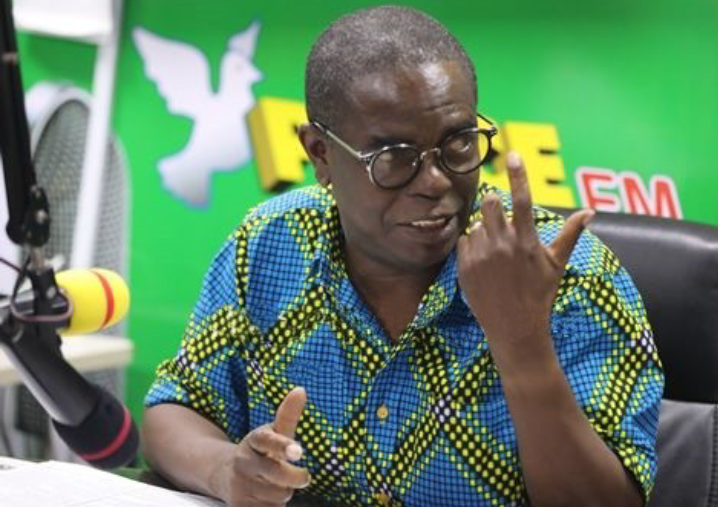
Veteran journalist and former Managing Editor of the Insight Newspaper, Kwesi Pratt Jnr., has argued that Dr. Kwame Nkrumah’s approach to governance was marked by excessive leniency, a factor he believes contributed to serious setbacks during his administration. Speaking on Metro TV’s Good Morning Ghana with host Moro Awudu to mark 60 years since Nkrumah’s overthrow, Pratt said the first president of Ghana failed to take firm action against elements he described as hostile to his government. He pointed to violent incidents during the period, including the bombing of a procession involving children from the Young Pioneers movement who were celebrating Nkrumah’s birthday. Pratt recounted the attack as an example of the threats the government faced.
“There is a Lucas House affair, where children from the Young Pioneers group who had gone to celebrate Nkrumah’s birthday were in a procession. They just dropped a bomb on the children. And what do you expect Nkrumah to do? To give them national awards for killing children?” he asked.
Pratt said, in his view, Nkrumah should have taken stronger and more decisive measures against those behind such acts.
He suggested that firmer action might have prevented further tragedies, including other incidents critics often cite when assessing the era.
“Sometimes I sit back, and one of my criticisms of Nkrumah was that he was too lenient with the opposition. If he had been strong, if he had taken determined or robust action against the opposition, maybe we would have saved the lives of so many children. Maybe Kolongugu won’t have happened, maybe Yaa Asantewaa wouldn’t have had her legs amputated. But he was such a gentleman,” Pratt added.
At the same time, Pratt challenged the long-standing narrative that portrays Nkrumah as a tyrant.
He questioned how the label came to define the late leader, arguing that the historical record is often framed without sufficient attention to the pressures and threats the government faced.
His comments add to ongoing debate over Nkrumah’s legacy, decades after his removal from power continues to shape political discussion in Ghana.
Source: Edward Acquah

