

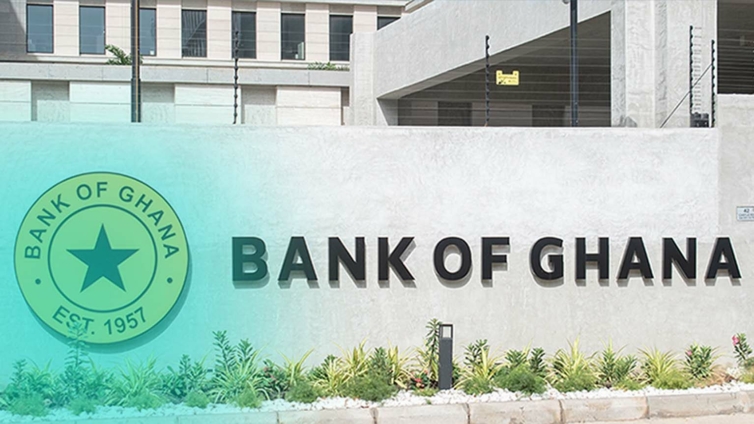
All Rural Banks are required to transition into Community Banks by March 31, 2026, as part of the Bank of Ghana’s comprehensive reform of the microfinance sector. The initiative seeks to reinforce financial stability, enhance governance, and expand financial inclusion. Issued under the Banks and Specialized Deposit-Taking Institutions Act, 2016, and the Non-Bank Financial Institutions Act, 2008, the directive is embedded in the new Guidelines on the Revised Microfinance Sector Framework.
The reform replaces the former Tier 1–4 structure with four categories: Microfinance Banks, Community Banks, Credit Unions, and Last-Mile Providers. ARB Apex Bank Limited will be restructured to serve as a central services hub for the sector. Under this framework, Community Banks will function as licensed deposit-taking institutions, designed to integrate rural and urban communities into Ghana’s national financial ecosystem.
Following the mandatory conversion deadline of March 31, 2026, former Rural Banks must also meet revised minimum capital and regulatory requirements by December 31, 2026. The new minimum capital has been set at GH¢5 million for Community Banks and GH¢10 million for new urban Community Banks. Community Banks are also required to adopt broader community ownership structures, with at least 30 percent of shares held by identified individuals and groups within their communities of operation.
Maximum shareholding thresholds have been introduced to promote inclusive participation, with limits placed on individuals, related parties, registered groups, and corporate bodies. Institutions whose current ownership structures exceed these thresholds are expected to regularize by the end of 2026.
To support compliance, existing Rural and Community Banks that fall below the new capital requirement must notify the Bank of Ghana by June 30, 2026, of their chosen capitalisation pathway, followed by progress updates by September 30, 2026.
Options include standalone recapitalisation, consolidation through mergers or acquisitions, or supervised transfer of assets and liabilities to stronger institutions within proximity to ensure depositor protection and continuity of services. Banks that fail to act within the stipulated timelines face regulatory action, including possible restrictions on operations. Beyond Community Banks, the framework introduces Microfinance Banks as deposit-taking institutions primarily serving micro, small and medium enterprises, groups, and individuals.
Existing savings and loans companies, finance houses, deposit-taking microfinance companies, and micro-credit companies may transition into Microfinance Banks, subject to meeting minimum capital of GH¢50 million for existing institutions and GH¢100 million for new entrants by December 31, 2026.
Eligible institutions are required to formally communicate their transition choices by June 30, 2026 and submit progress reports by September 30, 2026.
Credit Unions with total assets of at least GH¢60 million maintained over a continuous one-year period will also come under direct Bank of Ghana licensing and supervision starting in the second quarter of 2026, while smaller cooperatives and informal operators such as susu collectors, micro-credit enterprises, rotating savings groups and village savings associations will be classified as Last-Mile Providers operating under delegated supervision.
A central pillar of the reform is the expanded mandate of ARB Apex Bank Limited, which will now provide shared services across Microfinance Banks, Community Banks and licensed Credit Unions. These include reserve management, emergency liquidity support, cheque clearing, specie movement, fund management, payment guarantees, and common digital infrastructure such as banking platforms and ATMs. ARB Apex Bank will also play a coordinating role in inspections, training, policy implementation and temporary support for distressed institutions.
The Bank of Ghana has stated that the reforms are intended to tackle persistent challenges in capitalisation, governance, and operational efficiency, while modernising the sector through technology, stronger risk management, and deeper integration into the national financial system. The overhaul also aims to broaden ownership and strengthen the transmission of monetary and financial inclusion policies across the economy.
All institutions must complete their transition into the new framework by December 31, 2026. During this period, mergers, acquisitions, and asset transfers will require prior regulatory approval, and institutions must notify customers of transition plans at least 30 days before major changes. To ensure an orderly rollout, the central bank has temporarily suspended licensing of new institutions, except for Community Banks in designated priority areas. The Guidelines take immediate effect, with the Bank of Ghana reserving the authority to amend or expand the framework as necessary to safeguard the stability of the financial system.
Source: Daniel Sackitey

