

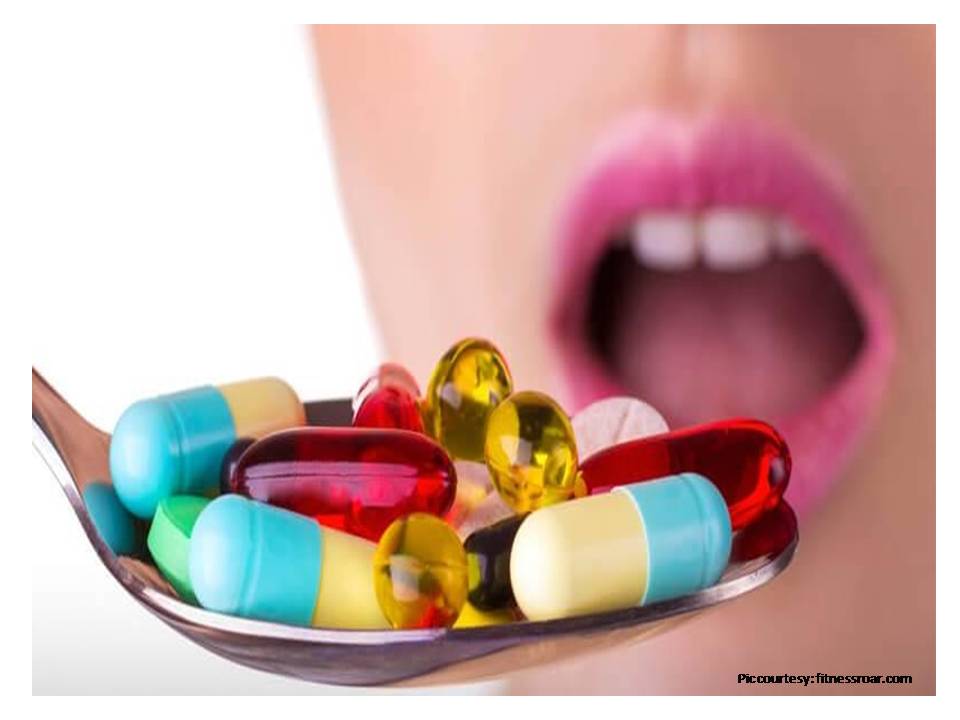
Self-medication is rapidly emerging as a silent public health crisis in Ghana. What once meant casually buying paracetamol for a headache has grown into a widespread culture of self-diagnosis, self-prescription, and even mixing herbal remedies with orthodox medicines—often without professional guidance. From roadside chemical shops to informal herbal vendors, access to drugs is now easier than access to proper medical consultation. While this convenience may appear harmless, the consequences can be severe.
Across the country, it is common to hear dismissive phrases like “It’s just malaria,” “It’s only a stomach upset,” or “It’s body pains from stress.” Without laboratory tests or medical examination, many rely on past experiences, advice from friends, or online searches to treat symptoms. Minor headaches are managed with repeated doses of painkillers, persistent stomach aches with antibiotics, and body pains with over-the-counter anti-inflammatory drugs.
In most cases, symptoms are temporarily eased—but the underlying condition remains untreated. The danger lies in the assumption that symptoms always mean the same thing. A headache could be stress—or it could be hypertension. A stomach ache might be indigestion—or a developing ulcer. Treating symptoms blindly can delay the diagnosis of serious illnesses.
Antibiotic Abuse and Resistance
One of the most troubling health trends in Ghana is the misuse of antibiotics. Medications intended to treat bacterial infections are often bought without prescriptions and taken in incomplete doses. Many stop using them once they “feel better,” saving the remainder for later. This practice fuels antimicrobial resistance, allowing bacteria to adapt and render treatments ineffective. Globally, the World Health Organisation has repeatedly warned that antibiotic resistance is among the greatest threats to public health. When antibiotics fail, simple infections become harder and more expensive to treat. Surgeries carry greater risks. Hospital stays grow longer. And in severe cases, resistant infections can prove fatal.
The Dangerous Mixing of Herbal and Orthodox Medicines
Another worrying trend is the simultaneous use of herbal remedies and orthodox medication without professional supervision. Many Ghanaians strongly believe in the potency of herbal medicine—and rightly so, as some herbal products have proven therapeutic benefits.
However, combining herbal preparations with prescribed drugs can create harmful interactions. Certain herbal mixtures may:
Increase or reduce the effectiveness of conventional medicines
Cause liver or kidney damage when combined with specific drugs
Interfere with blood pressure, diabetes, or heart medications
The liver and kidneys, which process medications, can become overwhelmed by multiple substances taken at the same time. Unfortunately, when complications arise, patients often do not disclose their herbal intake to doctors, making diagnosis and treatment more difficult.
Masking Symptoms, Worsening Disease
Self-medication often masks symptoms rather than solving the problem. Regular use of painkillers, for instance, may suppress warning signs of chronic diseases. Overuse of anti-inflammatory drugs can lead to gastric ulcers, kidney damage, or internal bleeding.
In some cases, individuals who repeatedly self-treat malaria-like symptoms may actually be suffering from typhoid, hepatitis, or other infections. Delayed medical attention can result in complications that could have been prevented with early diagnosis.
Beyond individual health risks, self-medication places a long-term burden on the national health system. When complications occur, patients often arrive at hospitals in critical condition, requiring more intensive and costly treatment.
Public health authorities such as the Ghana Health Service have consistently advised against improper drug use. Yet enforcement remains a challenge, especially where over-the-counter drug sales are loosely regulated.
Chemical sellers play an important role in community healthcare, but they are not substitutes for trained medical doctors or pharmacists. Proper regulation, public education, and stricter control of prescription-only medicines are urgently needed.
A Call for Responsible Health Choices
Medication is not candy. Every drug has a purpose, a dosage, and potential side effects. When taken incorrectly, medicine can become poison.
Ghanaians must resist the temptation to treat every symptom with a quick pharmacy visit. Consulting a qualified healthcare professional may take more time and effort, but it could prevent life-threatening complications.
Self-medication may seem like a convenient shortcut—but in many cases, it is a dangerous gamble with one’s health.

