

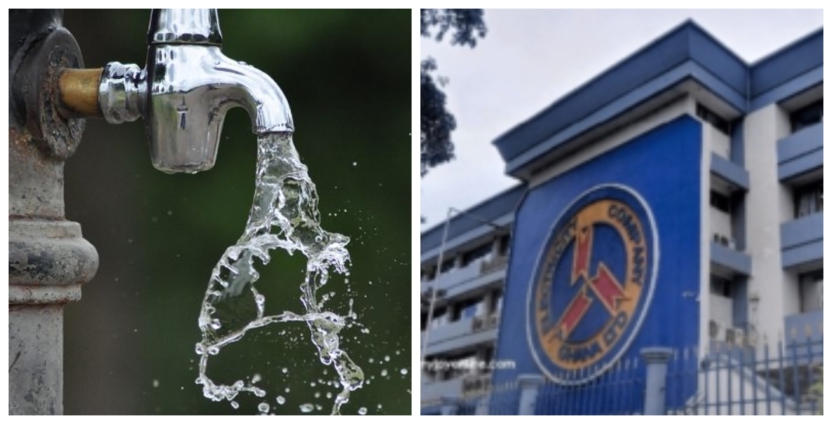
The Food and Beverages Association of Ghana (FABAG) has demanded the immediate reversal of the recent utility tariff increases, cautioning that enforcing the new rates without addressing entrenched structural deficiencies will only exacerbate the nation’s economic challenges. In a statement released on December 8, the Association categorically rejected the Public Utilities Regulatory Commission’s (PURC) decision to raise electricity tariffs by 9.8% and water tariffs by 15.9%, describing the move as “unacceptable, unjustifiable, and insensitive.”
FABAG argued that such hikes cannot be defended when the Electricity Company of Ghana (ECG) has yet to provide “clear and measurable” plans to resolve what it termed a persistent “cancer of inefficiency, financial waste, and mismanagement. It said the Public Accounts Committee has already exposed the extent of ECG’s failures and questioned why the PURC is “sweeping this cancer under the carpet.”
The group said ECG “has become the very disease it was created to cure.” According to the association, the institution, which should power national growth, now drains productivity and trust from “every corner of the economy.”
The statement pointed to deep inefficiencies, persistent losses, corruption, poor worker attitudes, revenue shortfalls and poor service delivery as the real causes of the sector’s decline. It argued that instead of fixing these problems, the PURC continues to punish consumers with new tariffs. FABAG said businesses cannot continue to pay for what it described as the incompetence and corruption within ECG and the Ghana Water Company.
It raised concerns about the wide gap between public sector wage increases and the tariff jumps, calling it “unacceptable that the government increases workers’ pay by 9% and goes ahead to increase utilities by 25.7%.”
The association highlighted ECG’s budget overrun of GH¢189.2 million without approval and demanded a clear framework that identifies those responsible.
FABAG also wants full disclosure on procurement processes, questioning why spending grew from under GH¢1 billion to over GH¢8.3 billion in 2023. It pointed to ECG’s technical and commercial losses, which it said now exceed 30 per cent, making the company “among the worst in Africa.”
FABAG said it is unaware of any credible plan to reduce these losses.
The association warned that businesses are already under severe pressure and risk shutting down, cutting jobs or raising prices. It said the tariff increase will worsen food inflation because the sector relies heavily on power and water for production, storage and distribution.
It lamented the absence of accountability mechanisms that would force the utilities to reduce theft or improve customer service. FABAG stressed that consumers should not be paying for inefficiency, especially when ECG has “repeatedly refused to publish transparent operational audits.”
It warned that the inevitable rise in product prices will worsen the cost-of-living crisis and destabilise an industry that contributes significantly to jobs and revenue.
FABAG said tariff-led solutions cannot fix the problem. It argued that “Ghana cannot tax or tariff-increase its way out of a broken power and water sectors,” adding that the real solution lies in restructuring, digitisation, accountability and better revenue management.
The Association emphasised that tariff adjustments cannot be deemed legitimate or acceptable until systemic inefficiencies are resolved. It has therefore called for the immediate suspension of the recent increases, alongside a comprehensive operational audit of the Electricity Company of Ghana (ECG) and the Ghana Water Company, with findings made public.
FABAG further demanded the introduction of a credible loss-reduction programme, strict enforcement measures against internal theft and illegal connections, and the adoption of a cost-recovery framework anchored in efficiency rather than perpetual tariff hikes.
Reaffirming its stance, the Association pledged to continue defending the interests of its members and the wider public, stressing that Ghana deserves utility systems that function effectively—not ones sustained by burdening consumers
Source: Abubakar Ibrahim

