

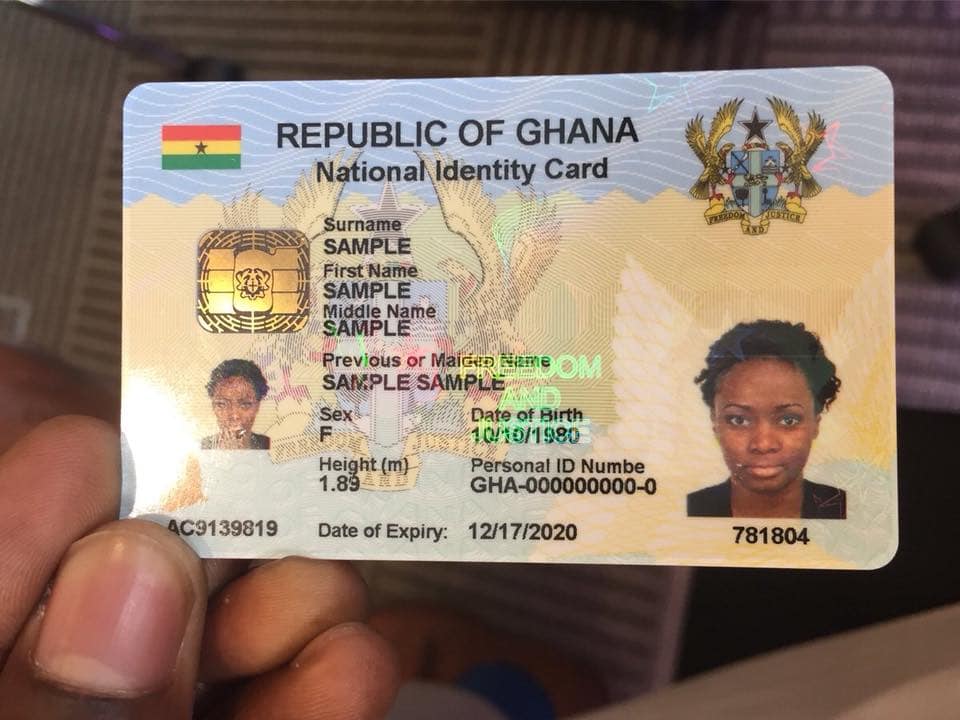
The Bank of Ghana (BoG) has mandated the use of the Ghana Card as the sole form of identification for nearly all banking and financial transactions nationwide. This follows the release of a revised Supervisory Guidance Note designed to enhance customer identification and verification processes. Issued in October 2025 and officially published on January 8, 2026, the directive immediately replaced the 2022 guidelines.
Under the new rules, accountable institutions must rely on the Ghana Card as the primary—and in most cases, exclusive—means of verifying customer identity. The requirement applies to Ghanaian citizens, permanent residents, and ECOWAS nationals residing in Ghana when opening accounts, as well as to Ghanaians abroad who conduct financial transactions within the country.
For the first time, the BoG has extended the Ghana Card requirement to foreign directors, shareholders, and non-residents who are signatories to bank accounts. This move is intended to tighten controls and reduce risks related to money laundering and terrorist financing.
The guidelines further state that customers who have not registered for the Ghana Card, Non-Citizen Ghana Card, or Refugee Identity Card will not be allowed to carry out any financial transactions. Existing customers will be verified using a risk-based approach, with banks required to update customer records using data from the National Identification Authority (NIA).
Special rules apply to digital onboarding through mobile apps and internet banking. In such cases, banks must conduct biometric liveness checks alongside full Know Your Customer (KYC) procedures, as these platforms are considered high-risk channels.
Source: Richard Obeng Bediako

