

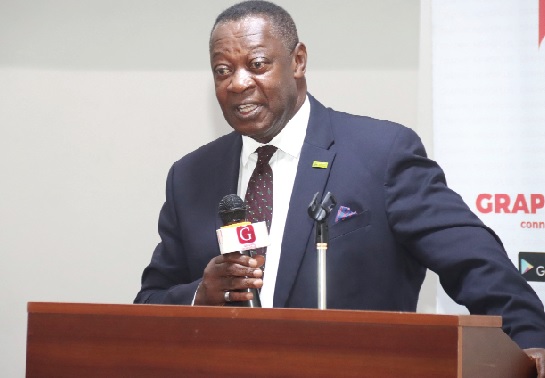
Professor Agyeman Badu Akosa, Chairman of the Medical and Dental Council, has raised concerns about the increasing number of malpractice and professional misconduct complaints against health professionals in Ghana. He noted that the growing backlog of cases before the Council indicates a decline in adherence to professional ethics, accountability, and patient-centred care within parts of the health sector.
Prof. Akosa made these remarks at the opening of the 14th Annual General and Scientific Meeting of the Ghana Association of Radiologists in Accra on May 21, 2026. He stated, “The number of complaints being submitted to the Medical and Dental Council is troubling. We have so many cases backlogged that we are currently struggling to investigate them.”
Prof. Akosa urged medical practitioners to uphold professionalism and proper documentation, stressing that the Council would continue to investigate complaints brought before it independently. “…these days, some of them (patients) are getting bolder and are then reporting the kind of experiences that they receive from our colleagues to the Medical and Dental Council. The Medical and Dental Council has no choice but to independently and comprehensively investigate and pronounce,” he stated.
Prof. Akosa cautioned health professionals against using systemic challenges as justification for neglecting patient care, saying practitioners had the knowledge and skills to provide essential interventions in emergencies.
The President of the Ghana Association of Radiologists, Dr Francis Ofei, called for increased investment in modern diagnostic infrastructure, including CT and MRI equipment, to support early diagnosis and treatment of chronic diseases. He said imaging technologies such as ultrasound, CT scans and MRI were critical in diagnosing kidney and renal disorders and expressed concern over the rising prevalence of chronic kidney disease in Ghana.
Dr Ofei linked part of the problem to illegal mining activities, saying chemicals such as mercury and cyanide contaminated water bodies and increased the risk of kidney disease among affected communities.
He emphasised the need for stronger collaboration among clinicians, nephrologists, urologists, and imaging specialists to enhance patient outcomes. “Too often, healthcare delivery is carried out in silos—the clinician works independently, the radiologist does their own thing. It is time we adopt a multidisciplinary approach to healthcare,” he stated.
Nephrologist Dr. Charlotte Osafo noted that chronic kidney disease is on the rise globally and across sub-Saharan Africa, with many Ghanaian patients presenting at advanced stages due to delayed diagnosis and limited access to imaging services. She called for Ghana-specific imaging protocols for chronic kidney disease and greater cross-speciality collaboration to strengthen patient care.
The meeting was held under the theme: “From Kidneys to Urethra: Imaging the Genitourinary System in the Era of Multidisciplinary Care.”
credit: GNA

