

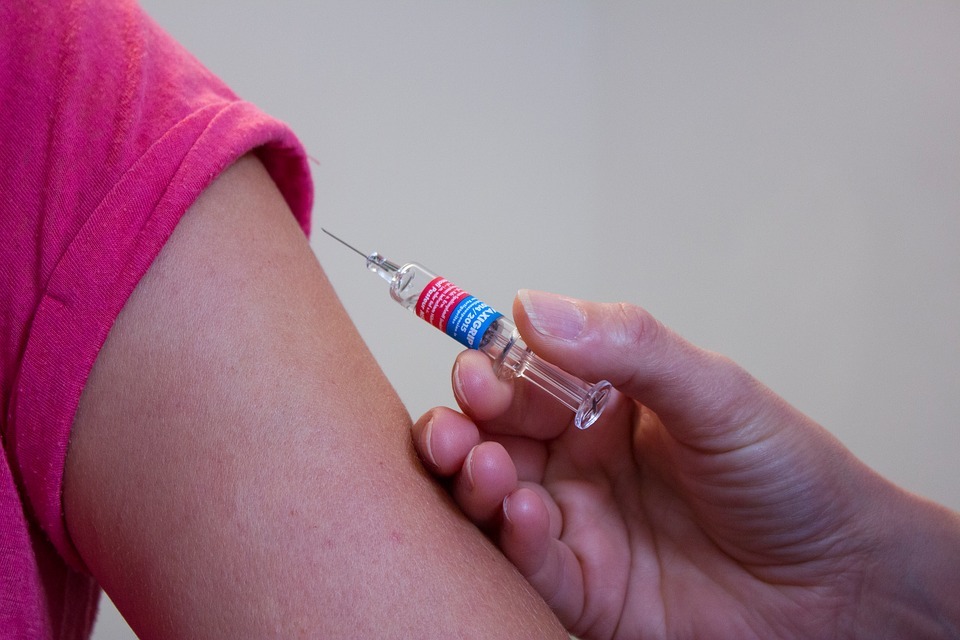
Children vaccinated against HPV at ages 12–13 now face virtually no risk of dying from cervical cancer before 30, according to landmark research. The study — the first of its kind — shows a sharp decline in deaths since school-age girls began receiving the jab in 2008, with around 200 lives saved in England so far.
Between 2020 and 2024, no cervical cancer deaths were recorded among women aged 20–24 — the first time this has occurred over a five‑year span. Without vaccination, about 23 deaths would have been expected. “It’s incredible to think that a single jab can almost eliminate a particular type of cancer,” said Prof Peter Sasieni of Queen Mary University of London.
Cervical cancer remains the 14th most common cancer among UK women, with 3,300 diagnoses annually. HPV, which causes 99% of cases, is spread through close skin‑to‑skin contact. While most infections clear naturally, some trigger abnormal cell changes that can lead to cancer years later. Researchers expect deaths to continue falling as more people are vaccinated and the protected population ages.
Cancer Research UK, which funded the research, described the findings as an “incredible milestone” but warned that vaccination rates in England were running below recommended levels. “We know the HPV vaccine is extremely effective at stopping cervical cancer before it starts and for the first time these findings show it is saving lives,” said the organisation’s chief executive, Michelle Mitchell.
‘I’m a real advocate for this vaccine’
Alexandra Legg left school just before the HPV vaccine was introduced in England.
In 2021, just as she was planning her wedding, she was diagnosed with cervical cancer aged 30.
“I remember hearing the words and I just couldn’t really breathe very well,” she says.
“I was so upset – everything went through my head, it was so hard.”
Her treatment involved the removal of lymph nodes in her abdomen, although surgeons were able to preserve a small part of her cervix, giving her a chance of becoming pregnant.
Just a year later, Ivy was born. Her middle name is Marvella – meaning “miracle”.
“Those nine months were so scary because I was at such risk of losing her at any point,” she says.
Alexandra says her life could have been far less traumatic if she had been offered the HPV vaccine and urged those eligible to get it.
“I’m a real advocate for this vaccine and when Ivy is old enough, she’ll be first in the queue,” she adds.
Reduction in deaths ‘tip of the iceberg’
Prof Sasieni, who specialises in cancer epidemiology at Queen Mary University of London, describes the reduction in deaths since the introduction of the vaccine as the “tip of the iceberg”.
“As vaccinated generations grow older, we’ll see many more lives saved from cervical cancer,” he adds.
“New research shows just how vital it is to keep HPV vaccination levels high so more people are protected.”
The UK government has pledged to eliminate cervical cancer as a public health problem by 2040.
But the latest data shows vaccination rates across the country have fallen below recommended levels.
Data from the UK Health Security Agency shows that 76% of girls in England were vaccinated against HPV by age 15 in 2024–25 — well below the 90% threshold the World Health Organization says is needed to eliminate cervical cancer.
“This must be urgently addressed with targeted action to reach communities where uptake is lowest,” said Michelle Mitchell of Cancer Research UK.
Despite the rollout, women aged 25–64 are still advised to attend cervical screening (formerly smear tests). Since 2019, boys have also been offered the HPV vaccine, protecting them against anal, penile, throat, and mouth cancers, while reducing transmission to girls.
The Department of Health and Social Care hailed the study as proof of the “extraordinary impact of the HPV vaccination.” A spokesman added: “We are boosting vaccine uptake so more young people benefit from this life‑saving protection — including catch‑up campaigns via community pharmacies.” He noted that HPV self‑testing kits are also being sent to women who have not yet come forward for screening.
Source: BBC

