

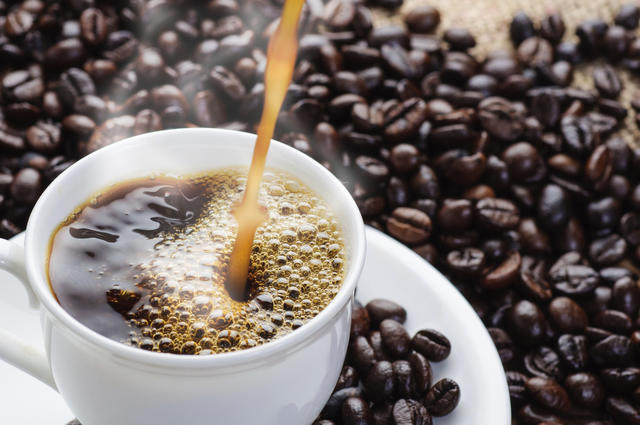
Coffee is associated with a range of health benefits, and some studies suggest that the caffeine in your daily cup may help raise testosterone levels, enhance sexual stamina, reduce performance anxiety, and potentially improve erectile function. However, the evidence is not conclusive, and it’s important to weigh these possible advantages against the risks of caffeine consumption, such as insomnia and heart palpitations
1. Improves Erectile Dysfunction
Research on the potential benefits of caffeine for men with erectile dysfunction (ED) has produced mixed results. Caffeine is known to act on smooth muscles throughout the body, promoting relaxation through a process called actin depolymerisation. When this occurs in the smooth muscles of penile arteries, some researchers suggest it may enhance blood flow, potentially contributing to stronger erections.
A 2015 study published in PLoS One analysed health records from 3,724 men aged 20 and older.
It found that those who consumed between 85 and 170 milligrams of caffeine daily — roughly equivalent to one to two cups of coffee — were 42% less likely to experience ED compared to men who consumed none. For those who consumed between 171 and 300 milligrams per day, the risk was reduced by 39%, indicating that higher intake did not necessarily provide greater benefit. However, a follow-up study in 2017 by the same research team, focusing on men aged 40 to 75, reported no significant link between long-term caffeine consumption and reduced risk of ED.
2. Boosts Testosterone Levels
Several studies indicate that consuming caffeine in low doses may have a positive effect on testosterone levels. Testosterone, the body’s primary male sex hormone, plays a key role in functions such as libido and the ability to achieve and maintain erections. Yet, as with erectile dysfunction, the evidence on caffeine’s impact remains mixed. Research suggests there may be a threshold at which caffeine shifts from supporting to diminishing testosterone.
For instance, a 2024 study published in Nutrients found that athletes who consumed caffeine before workouts experienced a temporary rise in testosterone levels after exercise compared to those who did not. Outside of exercise, however, the benefits are less consistent. Daily caffeine intake below 400 mg may slightly elevate testosterone, while doses above this level appear to have the opposite effect, lowering hormone levels. Overall, caffeine’s influence on testosterone seems modest and short-lived. Any potential benefit is most likely to occur when caffeine is paired with exercise, which itself is well known to improve men’s physical, emotional, and sexual health.
3. Increased Sexual Stamina
Evidence suggests that caffeine may enhance sexual stamina, largely by boosting energy and improving mood. Studies on energy drinks — which typically contain 40 to 200 mg of caffeine per serving — have shown significant improvements in both mental and physical endurance among adults. When it comes to sexual performance, stamina is closely linked to adenosine monophosphate (AMP), a byproduct of cellular energy metabolism.
Elevated AMP levels are associated with reduced energy and diminished sexual function. Caffeine can counteract this effect by binding to brain receptors normally activated by AMP. As a result, consuming coffee about 45 minutes before sexual activity — the point at which caffeine levels in the bloodstream usually peak — may help increase stamina. Low to moderate doses of caffeine (40 to 300 mg) have also been shown to improve alertness, focus, and physical endurance, further supporting its potential role in sexual performance.
4. Less Performance Anxiety
Sexual performance anxiety describes stressful or fearful thoughts about sex that interfere with your ability to have sex. This can independently lead to ED even if there is no physical cause for the problem (referred to as psychogenic ED)
Causes of sexual performance anxiety include:
Poor body image
Fears about penis size
Relationship problems
Concerns about premature ejaculation or delayed ejaculation
Concerns about sexual performance or satisfying a partner cannot be resolved by coffee alone. However, caffeine may help promote feelings of well-being that can support sexual function, particularly in men. Research published in Nutrients in 2022 found that high caffeine intake affects men and women differently: in men, it was linked to increased energy, heightened alertness, and improved overall mood, while in women, consuming more than 400 mg per day was associated with greater anxiety rather than reduced stress.
Possible Risks
While coffee offers a variety of potential health benefits, excessive caffeine intake can carry risks that may negatively affect sexual function. In general, moderation is key. Daily consumption of up to 400 mg of caffeine is typically considered safe, but exceeding this amount can lead to symptoms such as:
Irritability and jitters
Anxiety
Upset stomach
Diarrhea
Heart palpitations
Insomnia
While these may occur in some people at lower doses and others at higher doses, the general rule of thumb is to keep your daily intake under four servings a day (with roughly 95 mg of caffeine per serving)

