

A few years ago, spectacles became an unexpected fashion accessory among young people. Many children began to pester their parents for a pair, with some even pretending to have vision problems simply to wear them. At that time, children who wore glasses were often viewed as intelligent, affluent, or considered “Dbee” (dada ba), and, depending on who you asked, they were sometimes seen as more attractive.
This stereotype became so ingrained that spectacles were commonly associated with class prefects, school leaders, science students, and self-proclaimed serious learners. Today, that trend has mostly faded. While some members of Generation Z still wear stylish glasses to enhance their looks, the attention has shifted to dental braces.
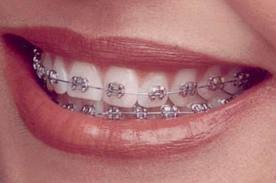
Braces are primarily used to correct orthodontic issues; however, an increasing number of young people—and even some middle-aged adults—appear eager to wear them purely for aesthetic reasons, even if they don’t have a dental condition that requires treatment. This raises an important question: Are there strict assessment and regulatory procedures in place to determine who genuinely needs braces, or has this practice been left to market forces and the demands of fashion-conscious consumers? Orthodontists and the relevant regulatory authorities are best positioned to provide a definitive answer.
Braces not accessories
Dental braces are designed to align teeth and correct orthodontic issues such as crooked, crowded, or widely spaced teeth. They are also prescribed to treat malocclusion—a condition where the upper and lower teeth do not fit together properly when the mouth is closed. Braces function by applying steady, gentle pressure that gradually shifts teeth into their proper positions.
While braces are often associated with children and adolescents, adults may also undergo orthodontic treatment when clinically indicated. Treatment options vary and include traditional metal braces, ceramic braces, lingual braces, self-ligating braces, and clear aligners. The choice depends on the patient’s specific condition and the recommendation of a qualified dental professional.
Clear aligners differ from conventional braces in that they are removable, though they must be worn for most of the day to remain effective. Typically, they are taken out only for eating, drinking, brushing, or flossing. Orthodontic treatment is commonly initiated between ages nine and 14, when the jaw and facial bones are still developing and respond more readily to correction. However, braces remain effective in adulthood, though treatment may sometimes take longer to achieve optimal results.
Benefits of proper orthodontic treatment
When prescribed and supervised by a qualified orthodontist or dentist, braces can significantly improve a person’s oral health and quality of life. Beyond producing a straighter smile, they can make the teeth easier to clean, reduce the risk of tooth decay and gum disease, and improve essential functions such as chewing and speaking.
However, even properly prescribed braces may cause temporary discomfort, particularly after they are fitted or tightened. Patients may also experience irritation of the tongue, lips or inner cheeks, difficulty eating and occasional jaw pain. These effects are usually monitored and managed as part of professional orthodontic care.
The critical point is that braces are not harmless decorations. They are medical devices designed to move teeth and alter a person’s bite. Their use should therefore be based on a proper clinical assessment, not simply a desire to follow a trend.
Dangers of unsupervised braces
Wearing braces without a genuine orthodontic need or obtaining them from an unqualified person can expose an individual to serious oral-health risks. Unnecessary or poorly controlled pressure may move otherwise healthy teeth out of position, creating gaps, crookedness or a new bite problem.
Other possible consequences include:
- tooth decay and permanent white or brown marks caused by plaque and food collecting around brackets;
- swollen or bleeding gums, which may progress to gum disease;
- gum recession and the loss of bone supporting the teeth;
- shortening of tooth roots because of unnecessary or poorly controlled pressure;
- damage to tooth enamel during the attachment or removal of brackets;
- cuts, mouth ulcers and irritation caused by wires or badly fitted components;
- infection from unsterilised instruments, unsafe materials or inappropriate adhesives;
- choking if a bracket, wire or decorative component becomes detached;
- jaw discomfort, difficulty chewing and headaches resulting from changes to the bite;
- injury to a tooth’s nerve, which may require root-canal treatment in severe cases; and
The risk may be even greater where so-called fashion braces are fitted outside a properly regulated dental facility. Without an examination, X-rays where necessary, a diagnosis and continuing professional supervision, there may be no reliable way of predicting how the teeth, gums and supporting bone will respond.
Is fashion worth the risk?
It is difficult to understand why anyone would knowingly expose themselves to these risks solely for aesthetic satisfaction. Why pursue today’s fashionable appearance at the expense of tomorrow’s oral health?
Source: Richard Osei Boateng

