

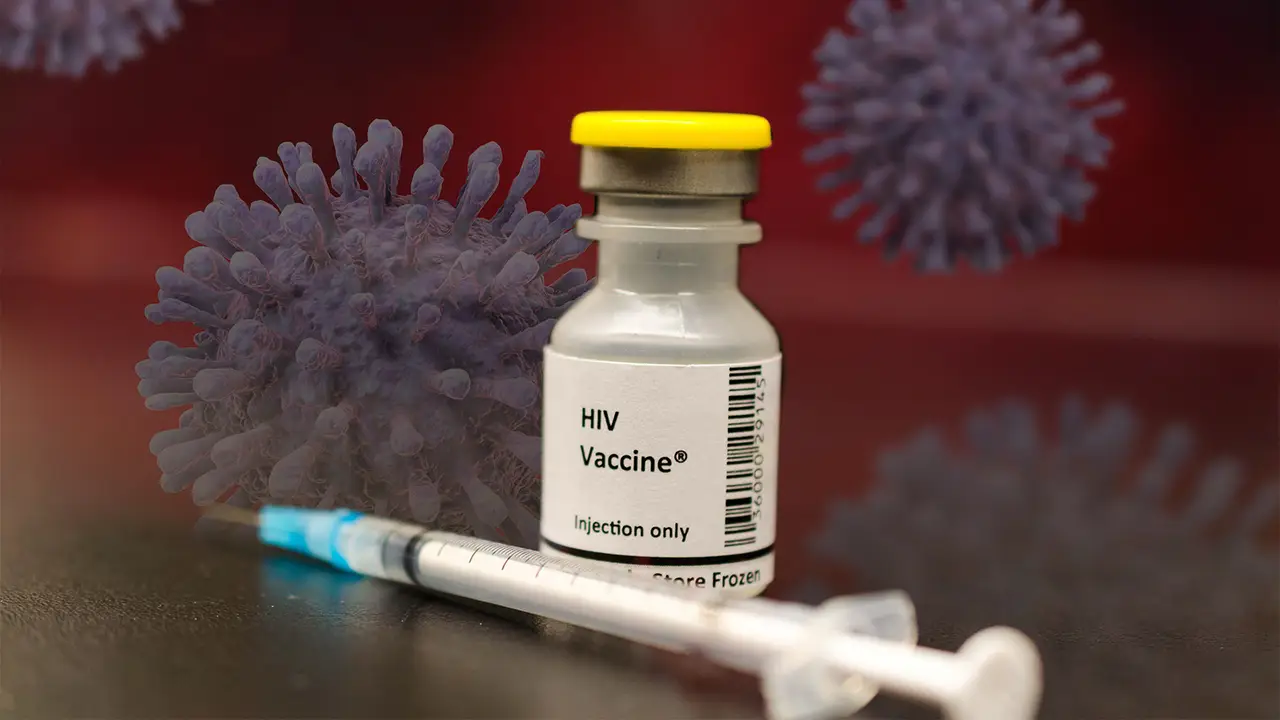
In a historic decision, the U.S. Food and Drug Administration (FDA) has approved the world’s first biannual injectable treatment for HIV prevention, which has demonstrated a 99.9% success rate in major clinical trials. This approval represents a significant advancement in global efforts to prevent HIV.
The injection, designed for administration twice a year as a pre-exposure prophylaxis (PrEP) treatment, offers a higher level of convenience and effectiveness for individuals at high risk of HIV infection. Unlike daily oral PrEP pills, this long-acting injectable provides six months of protection with each dose, greatly improving adherence and privacy.
What Is It and How Does It Work?
The treatment, developed by leading pharmaceutical researchers and tested through multiple phases, gradually releases antiretroviral medication into the bloodstream over six months. This helps prevent the HIV virus from establishing an infection in the body. According to FDA briefings and published trial data, the injection has shown near-total protection, particularly among high-risk populations such as men who have sex with men, sex workers, and individuals in serodiscordant relationships.
Global Impact and Accessibility
Public health experts have hailed the development as a game-changer in ending the HIV epidemic. Health organizations are now calling for swift rollout globally, especially in regions with high HIV transmission rates.
Dr. Angela Miles, an infectious disease specialist, remarked:
“This innovation simplifies HIV prevention. For many, it will remove barriers related to daily medication — including stigma, forgetfulness, and accessibility.”
What’s Next?
Although pricing and availability details are still being finalized, pharmaceutical stakeholders and global health organizations are expected to advocate for equitable access, particularly in low-income countries. Discussions are currently ongoing with global NGOs, including UNAIDS and the WHO, to establish distribution partnerships.

