

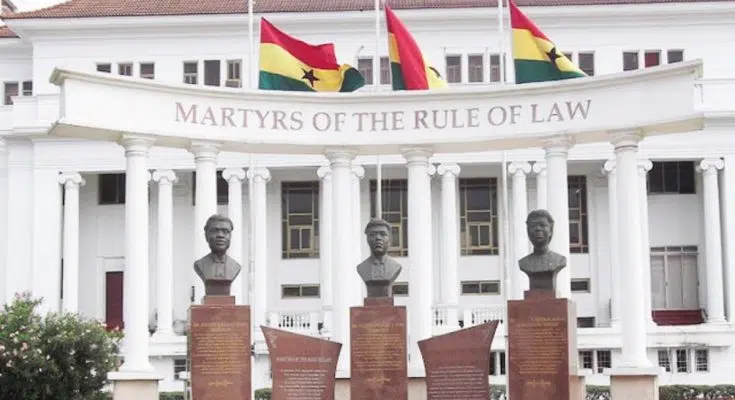
A Ghanaian citizen has petitioned the Supreme Court for a constitutional interpretation of the presidential two-term limit. The suit, filed on July 9, 2026, by Ganiwu Alhassan, a teacher from Kpandai in the Northern Region, seeks clarity on whether an individual who has served two separate, non-consecutive terms as President may contest the office again.
The Attorney-General has been named as the defendant, with Mr. Alhassan represented by lawyer Kwasi Afrifa of O & A Legal Consult in Kumasi. At the heart of the case is Article 66(2) of the 1992 Constitution, which stipulates that no person shall be elected to the presidency for more than two terms.
The plaintiff contends that this provision should not be interpreted as a lifetime bar on former Presidents who have served two non-consecutive terms. He is asking the Court to affirm that such individuals remain eligible to seek re-election. According to the statement of case, the Constitution does not explicitly prohibit a former President with two separate terms from contesting again.
The suit further argues that the Constitution makes special provisions for a Vice President who assumes office after the death, resignation or removal of a President, suggesting that the framers recognised different circumstances under which presidential terms may be served. Mr Alhassan contends that the two-term limit should therefore not be interpreted as an absolute lifetime restriction where the terms were not consecutive.
In support of his case, the plaintiff cites several Supreme Court decisions, including *Tuffuor v Attorney-General*, *New Patriotic Party v Attorney-General*, *Sam v Attorney-General* and *Nartey v Attorney-General*. The suit also relies on constitutional principles and legal definitions to argue for what it describes as a broad and purposive interpretation of the Constitution.
The plaintiff is asking the Supreme Court to declare that preventing a person who has served two separate, non-consecutive terms as President from contesting again would be inconsistent with the Constitution. The Attorney-General has been directed to file a statement of defence within 14 days after being served with the writ. The matter is now before the Supreme Court for determination.
Source: Abigail Arthur

