

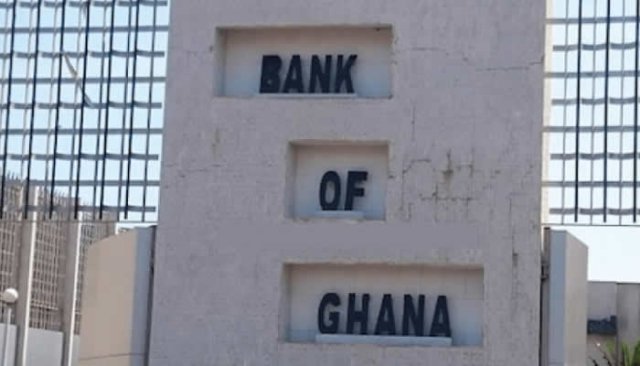
The Bank of Ghana (BoG) has issued a reminder to the public that unauthorised foreign exchange transactions are strictly prohibited under the Foreign Exchange Act, 2006 (Act 723). This includes activities such as black market dealings, price quoting, advertising, issuing receipts, and making or receiving payments in foreign currencies like the US dollar.
In a statement signed by Ms. Aimee V. Quashie on behalf of the Secretary of the Bank of Ghana, dated Wednesday, August 27, 2025, the Central Bank has ordered both public and private institutions, as well as individuals involved in these practices, to cease and desist immediately. The Bank reiterated that the Ghana Cedi is the only legal tender in Ghana. Therefore, residents of Ghana are not permitted to price, advertise, invoice, or receive payments in foreign currency for goods and services unless they are duly licensed or authorised by the Bank of Ghana.
The prohibited transactions include, but are not limited to:
- School fees
- Sale and rental of vehicles
- Sale and rental of real estate
- Airline tickets
- Domestic contracts
- Retail shopping
- Online sales
- Hotel accommodation
The statement clarified that foreign currency invoices may only be issued to expatriates (foreign nationals) or non-residents, with proceeds required to be paid into a Foreign Exchange Account (FEA) with a licensed bank. In addition, exchange rates quoted on such invoices must reflect prevailing market rates of commercial banks and be benchmarked against the BoG’s published reference rate, rather than being arbitrarily determined.
The Bank further assured the public that foreign exchange remains transferable through the formal banking system for legitimate external payments, subject to applicable regulatory thresholds and commercial banks’ internal processes. The BoG reiterated its commitment to enforcing compliance, warning that violators will face sanctions and legal action in accordance with Act 723.
Source: Kobina Welsing

