

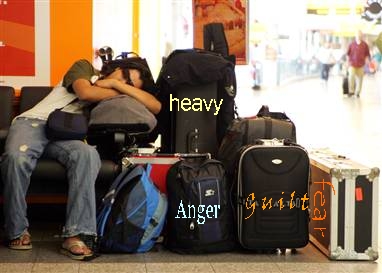
Emotional baggage is a term that implies that one is dealing with residual emotional issues and carrying a lot of hurt, pain, sadness, regret and even anger within themselves. If left unresolved, these pent up emotional issues can be detrimental to your physical, emotional and mental health. If carried on to the next relationship, the consequences only get worse from there.
This can lead to excessive stress, depression, anxiety, anger outbursts and, in extreme cases, even suicidal thoughts. A few factors hamper our ability to be happy; a load of emotional baggage weighing us down is one such. It is important to self-introspect from time to time for an emotional baggage check and understands what is making you the way that you are.
This helps in preventing our insecurities, which are a manifestation of past experiences, from undermining our hopes for a brighter tomorrow. To help you do that, let’s decode what is emotional baggage and what needs to be done to free yourself from it.
Simply put, emotional baggage is a combination of insecurities and inhibitions emerging from our life experiences. The triggers for it can be our upbringing, family history, traumatic or stressful experiences in past personal relationships involving romantic partners, friends or even co-workers.
It is this emotional baggage psychology that makes it hard for us to trust others and sometimes ourselves too, rendering us unsure and indecisive in our relationships.
Unfortunately, there are no overt signs of emotional baggage in people. All of us carry some baggage or residual negative feelings from our past. The intensity of it may vary from person to person, depending on the kind of traumatic experiences or difficult situations they have dealt with.
How can you tell if someone has emotional baggage from past relationships? Here’s an example. A person who has gone through a rough divorce, for instance, will have a high intensity of negative emotions and distress. This will manifest in his interactions with people and reactions to situations. Similarly, a person who has had painful childhood trauma owing to toxic parents, may, over the years, develop tools to cope with it. In this case, the intensity of negative emotions may be less, they may react to people and situations differently. Their issues with childhood trauma may not manifest in their friendships or relationships with coworkers, but when he gets into a romantic relationship it will manifest.
Either way, both will carry emotional baggage, which will define how they choose to see the world and interact with people around them.
Just like any other aspect of psychology, emotional baggage also isn’t uniform in nature. Instead, it covers a spectrum of manifestations depending on the underlying triggers. The different types of emotional baggage include:
Post-Traumatic Stress Disorder (PTSD)
This happens most common in military personnel returning from a war zone. But, PTSD can also be caused by other traumatic experiences such as rape, child abuse, domestic violence and physical trauma.
Trust issues lie at the core of emotional baggage psychology.
A person who has a history of abuse may find it hard to trust people, which can come in the way of their ability to build healthy relationships and develop trust issues.
They will constantly try to see all the lies in someone’s sentences, will find reasons to not believe somebody and will often take time to open up to other people.
Paranoia is one of the signs of emotional baggage
Owing to what they have experienced in the past, a person with this type of emotional baggage never lets their guard down and is always sceptical of those around them. This can make them act jealous in relationships, display controlling behaviour and always be suspicious of their partner’s activities.
They are constantly worried that something traumatic will happen to them and being on ‘alert mode’ is their way of protecting themselves from getting hurt again.
Defensive
Being defensive becomes their coping mechanism in the face of any unpleasant situation. Such people resort to ‘defences’ like not communicating, giving the silent treatment to the partner, displaying extreme reactions, not listening, or distancing themselves from problem-solving.
There could be anger issues too. Out of all the types of emotional baggage, this one is marked by reacting to every issue with immense anger or ‘flipping out’. The inability to accept a situation not going their way puts them on a ‘short-fuse’ all the time.
Insecurity can lead to carrying baggage into relationships
This is one of the most common types of emotional baggage there is that can rear its head in personal as well as professional relationships.
It is most common in people who struggle with low self-esteem, because of their emotional baggage from past relationships and experiences. They require constant nurturing or attention from others.
How to deal with emotional baggage in a relationship
Now that we have covered the signs of emotional baggage, let’s move on and talk about how to deal with the same.
Once you realize that the person has a lot of emotional baggage, then the crucial question to ask is: Should you stay in the relationship or move on?
One must accept that everyone has some amount of baggage in their lives. How you and your partner deal with it should be the determining factor in whether or not to continue the relationship.
How To Get Rid Of Emotional Baggage?
To release trapped emotions is not something that you can do overnight. This baggage that has built up over time and due to a string of different experiences cannot be cast aside so quickly. It needs consistent work and effort. Here are some actionable tips for shedding emotional baggage in relationships:
Do not put up with abuse
A lot of times our baggage puts us in that saviour mode where we’re more focused on how to help someone with emotional baggage than rescuing ourselves from what is about to ensue.
If you are in a similar situation, do not put up with physical, sexual, or verbal abuse in a relationship because you want to help the person get better. No one has to deal with bad behaviour and there can be no excuses for criminal behaviour.
Try the ‘glass half full approach’ to release trapped emotions
It is important to see your life through the prism of ‘glass half full’. When you choose to see life and situations positively, dealing with emotional baggage becomes easier.
Focus on self-care
Want to know how to release trapped emotions? Well, self-care is your best friend in the process. When dealing with baggage, you feel emotionally drained out, stressed and even angry at the world. So taking care of yourself will go a long way in nurturing yourself.
Getting good sleep, eating proper meals, exercising, meditation, reading self-help books related to the issues you are going through can help in your self-growth.
Do not isolate yourself
‘No man is an island entire of itself…’ Remind yourself of this when surrounding yourself with people and socializing seems like the hardest thing to do. If you want to understand how to get rid of emotional baggage, you must accept the importance of not isolating yourself.
It is vital to be surrounded by family and friends, despite how difficult it may seem, and keep the channels of communication open always.
To deal with such baggage in relationships, get the help you need
You cannot go through the process of shedding emotional baggage alone. You need someone to hold your hand through it all, and who better to do this than a professional who has been trained for the job. When you become aware of your emotional baggage and its impact on your life, your choices, your relationships and your peace of mind, opt to go for individual counselling.
That’s where the answer to how to release emotional baggage lies. It will help you brainstorm and introspect, and perhaps give you a perspective on how to further steer your life ahead.
Moving On From Emotional Baggage
With time and the right support, you can learn to let go of your emotional baggage, now that you have understood the emotional baggage psychology. Or at least manage it well enough so that it doesn’t hinder your prospect of leading a full, content life.
People carry their emotional baggage with them for years. You can be free of your emotional baggage when you acknowledge it and you are willing to process it. That indeed is the first step. Your emotional baggage is nothing to be afraid or ashamed of. It is the most normal thing.
Time helps you to free yourself from your emotional baggage. Sometimes counselling gives you the clarity to deal with your emotional baggage better. If you think you may be harbouring negative emotions, then don’t fret. Your emotional baggage can be done away with.

