

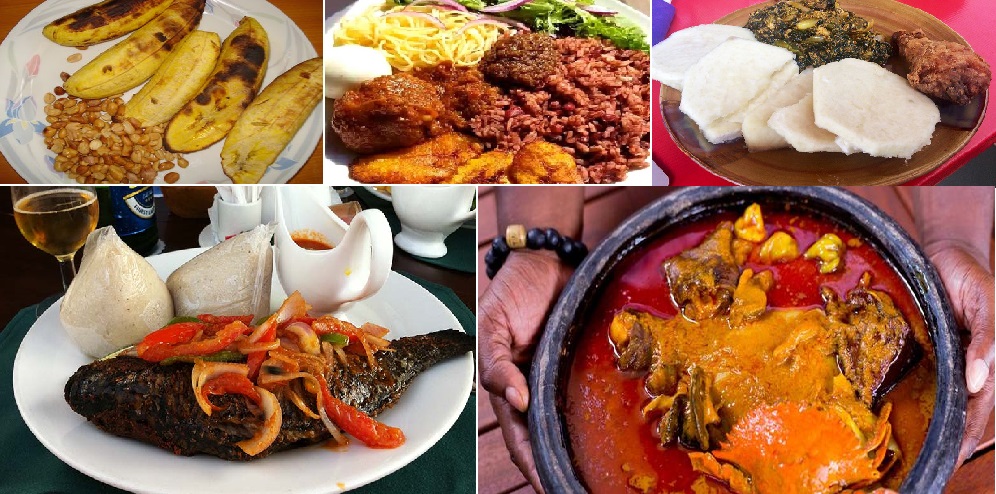
From the aroma of sizzling kelewele at busy junctions to the early morning queues for waakye before work and school, street food has woven itself into the fabric of daily life in Ghana. For many, it is affordable, convenient, filling, and deeply tied to culture. Whether it’s roasted plantain by the roadside, freshly grilled tilapia, or a steaming bowl of banku and soup from a local vendor, Ghanaian street food embodies more than nourishment—it reflects community, resilience, and tradition.
Yet, as its popularity grows, concerns about health are becoming harder to ignore. While many dishes are built on nutritious ingredients, issues of hygiene, excessive oil use, food handling practices, and long‑term health risks continue to fuel debate. One major advantage of Ghanaian street food is its accessibility to balanced local meals. Unlike heavily processed fast food common in many countries, a number of Ghanaian dishes are made from natural ingredients.
Foods such as beans, plantain, fish, rice, yams, cassava, and vegetables provide important nutrients, including fibre, protein, vitamins, and carbohydrates. Meals like waakye often combine rice and beans with fish, eggs, spaghetti, and vegetables, making them surprisingly nutritious when eaten in moderation. Similarly, grilled fish sold by roadside vendors provides protein and healthy fats that are beneficial to the body.

Street food also plays a major economic role. Thousands of vendors across Accra, Kumasi, and other cities rely on food sales as their main source of income. For students, workers, and low-income families, these meals are often the most affordable feeding option available. In this way, street food contributes both to nutrition and economic survival.
Despite these benefits, health concerns remain difficult to ignore. One of the biggest issues is hygiene. Some vendors operate in environments exposed to dust, vehicle fumes, flies, and poor sanitation systems. Food left uncovered for long periods may become contaminated, increasing the risk of foodborne illnesses such as typhoid and cholera. In areas where clean water is limited, washing utensils and ingredients properly can also become a challenge.
Another concern is the high oil and salt content in many popular street foods. Fried foods such as kelewele, fried yam, bofrot, and fried chicken are often cooked in reused oil, which may negatively affect heart health over time. Excessive consumption of oily and salty foods has been linked to conditions such as high blood pressure, obesity, and diabetes, particularly among younger generations who increasingly rely on fast and convenient meals.
In recent years, social media has also influenced street food culture. Vendors now compete not only on taste but also on appearance and online popularity. Oversized portions, extra toppings, and highly processed ingredients are becoming more common in an effort to attract customers online. While visually appealing, these trends may encourage unhealthy eating habits and excessive consumption.
Still, it would be unfair to label all Ghanaian street food as unhealthy. The issue often lies not in the food itself, but in preparation methods, hygiene standards, and eating habits. With proper regulation, food safety education, and healthier cooking practices, street food can continue to thrive without compromising public health.
Ultimately, Ghanaian street food remains one of the country’s most important cultural experiences. Yet as society becomes more health-conscious, both vendors and consumers must begin to balance convenience and tradition with greater attention to nutrition and safety.
Source: Alethea Owusu-Bempah

