

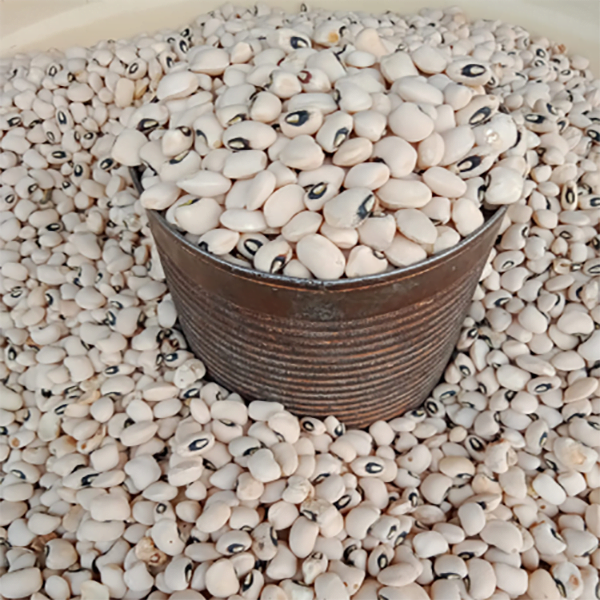
The Crops Research Institute of the Council for Scientific and Industrial Research (CSIR-CRI) has expressed grave concern over reports that some farmers within the cowpea value chain are resorting to cement powder as a means of preserving beans against pests. The institute cautioned that this practice—commonly referred to as cement cowpea preservation—is both unsafe and unscientific, posing serious health risks to consumers while undermining national efforts to enhance food safety and improve post-harvest storage in Ghana.
In a statement to the Ghana News Agency, the Director of CSIR-CRI, Maxwell Darko Asante, noted that the institute had observed a viral social media video allegedly demonstrating the use of cement powder in storing cowpea grains. The institute strongly condemned the act, warning farmers, traders, and consumers against adopting such hazardous methods. According to the statement, the circulating video spreads misinformation that could mislead the public and expose vulnerable groups to significant health dangers. CSIR-CRI reaffirmed its commitment to safeguarding food safety and urged stakeholders to rely on scientifically proven preservation techniques.
“Cement is not a food-grade substance and is not approved for use in food or grain preservation under any circumstance,” the statement stressed. The institute also reminded the public that information circulating on social media should not automatically be considered credible or safe for agricultural use.
It therefore urged farmers and stakeholders to always verify agricultural technologies and practices with recognised institutions before adopting them. The statement advised farmers to consult extension officers from the Ministry of Food and Agriculture or experts from the Crops Research Institute whenever they encounter new farming practices or technologies.
The institute reaffirmed its commitment to promoting safe, scientifically proven and internationally accepted post-harvest handling methods that improve food quality while protecting consumer health.
While condemning the use of cement powder in cowpea storage, the research body recommended several safe and validated alternatives for farmers. Among them is ensuring that cowpea grains are dried to safe moisture levels of about 12–13 percent before storage to prevent pest infestation. The institute also encouraged the use of hermetic storage technologies, such as airtight packaging including PICS bags and other sealed containers, which are widely recommended for smallholder farmers.
Additionally, farmers were advised to use approved grain protectants, maintain clean storage facilities and adopt integrated pest management strategies to control storage pests effectively. The statement further highlighted the use of botanical protectants, including neem seed powder, neem oil extracts and wood ash, which are traditional practices with minimal chemical residue risks.
Another recommended option is diatomaceous earth, a natural and non-toxic powder derived from fossilised algae that can be safely mixed with cowpea grains to protect them from pests.
The Crops Research Institute emphasised that adopting scientifically validated storage methods will help improve cowpea quality, enhance food safety and increase profitability for farmers across Ghana.
Source: Tony Bebli

