

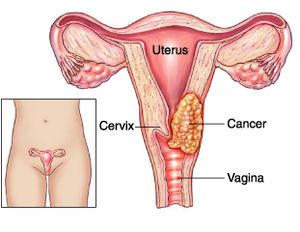
Dr. Aisha Ali Issaka, a gynaecologist at the Komfo Anokye Teaching Hospital (KATH), has raised concern over the low uptake of vaccination and screening, warning that it continues to undermine efforts to combat cervical cancer in Ghana. Speaking in an interview with The Mirror last Thursday, she stressed that cervical cancer is among the most preventable cancers in women, yet many fail to take advantage of available preventive measures.
She explained that vaccination against the Human Papillomavirus (HPV), coupled with regular screening, could significantly reduce cases of cervical cancer. However, participation in both interventions remains worryingly low. “Because of poor screening, many women present at health facilities only when the disease has reached an advanced stage, making treatment difficult and survival rates very low,” she noted
Dr. Aisha Ali Issaka emphasised that cervical cancer develops gradually over several years, underscoring the life-saving importance of early detection through routine screening. “For instance, a woman may experience repeated HPV infections between the ages of 15 and 20 before the virus eventually integrates into the cell cycle and progresses to cancer. This process takes time, and during that period, the condition is highly treatable if identified early,” she explained.
She expressed concern that despite the wide availability of cervical cancer screening services at district and regional hospitals, as well as at some Community-based Health Planning and Services (CHPS) compounds, uptake remains low. “Screening is available, but participation is very limited. If we intensify education on the dangers of cervical cancer, people may better understand its seriousness and take screening more seriously,” she added.
Types of screening
Dr. Ali Issaka explained that the type of cervical cancer screening offered depends on whether a woman tests positive or negative, with the main options being the HPV DNA test, the Pap test (cytology), or a combination of both (co-testing). She noted that the Pap test involves collecting cells from the cervix to examine for abnormal changes. Women who test negative are advised to repeat the screening every three years, while those who test positive must undergo further follow-up assessments. She emphasised that regular screening enables health professionals to detect abnormalities early and provide timely treatment, preventing the disease from advancing.
Danger
Dr Ali Issaka warned that cervical cancer could have severe and far-reaching consequences if left untreated. “At advanced stages, it can lead to complications such as blood clots in the legs, tumours causing the vagina to close up and even spread to the brain,” she said, adding that HPV was also linked to vulva, throat and penile cancers. She stressed that this made prevention and early detection critical.
Vaccination and risk factors
Dr Ali Issaka, who is President of the Muslim Medical Association of Ghana and a member of the Medical Women Association of Ghana, welcomed the introduction of the HPV vaccine into Ghana’s routine immunisation programme for girls aged 9 to 14, which began in October last year. However, she emphasised the need for greater public awareness, noting that boys should also be considered because HPV affects both males and females.
Dr. Ali Issaka stressed that parents must recognise that the Human Papillomavirus (HPV) affects both men and women, noting that vaccinating boys is equally vital to breaking the chain of transmission. She further emphasised that the HPV vaccine remains beneficial even for women over 35 and encouraged wider uptake among this group.
Highlighting risk factors, she pointed to unsafe sexual practices, multiple sexual partners, and smoking as contributors to cervical cancer. She explained that symptoms often emerge only after the disease has advanced, making early detection critical. “Warning signs such as abnormal vaginal bleeding, bleeding outside the menstrual cycle, offensive discharge, and bleeding during intercourse should never be ignored,” she cautioned.
Source: Lydia Ezit

