

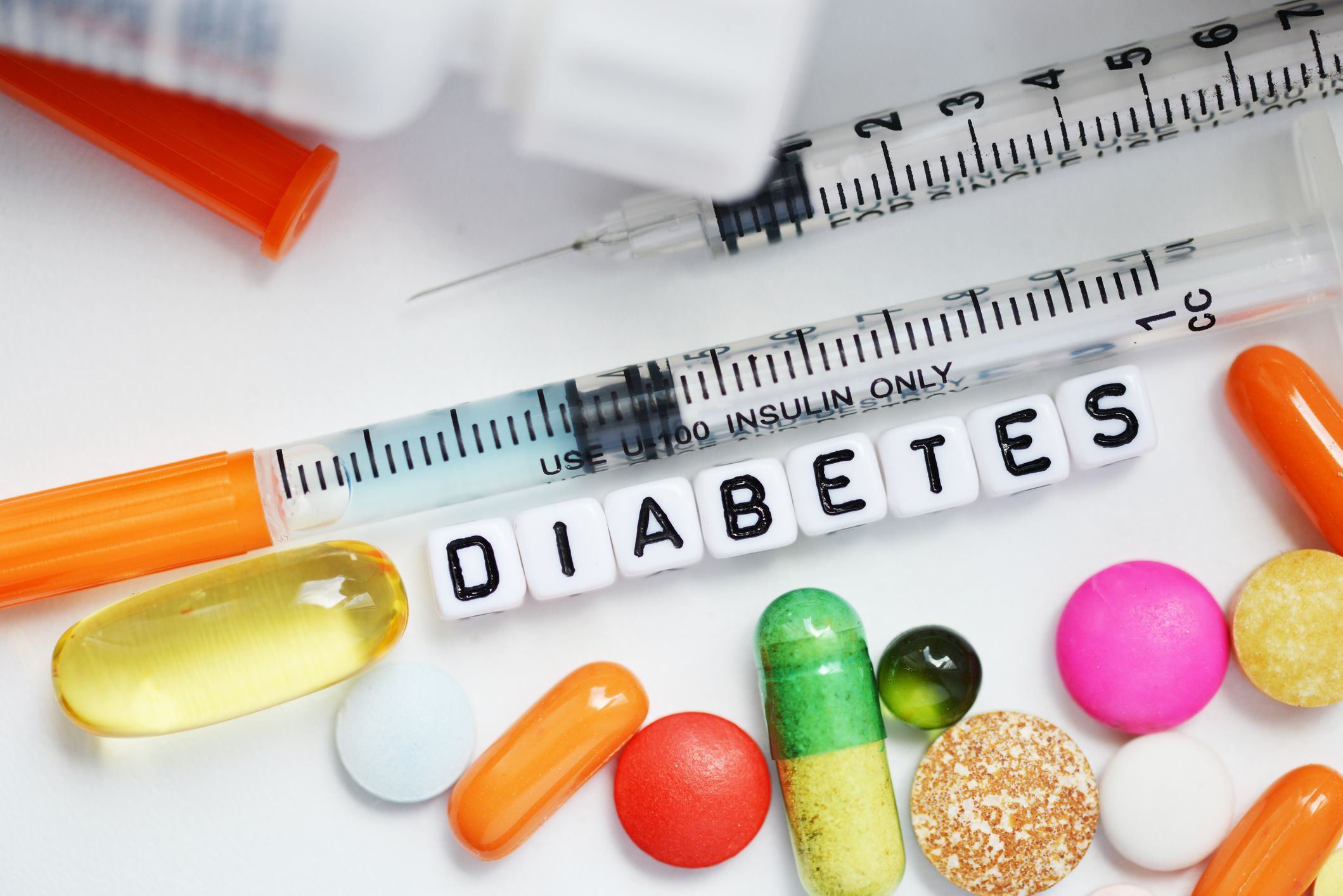
Diabetes is no longer a condition limited to age or wealth. Today, it stands among Ghana’s most pervasive health challenges, touching lives across generations and social backgrounds—from Accra’s busy streets to the country’s farthest rural settlements. Its rise has been so gradual that countless Ghanaians remain unaware of the extent to which it has taken root.
The Hidden Sugars Sabotaging Your Health
The danger isn’t only in the sugar we taste in sweets and soft drinks—it’s in the hidden sugars inside foods we often believe are safe or even healthy. Fruit juices branded “natural,” bread, tomato paste, instant oats, cereals, yogurts, and canned sauces all carry heavy loads of added sugar. Dr. Abigail A. Agyekum Afoakwa of the Food and Drugs Authority warns that these hidden sugars are quietly fueling Ghana’s diabetes crisis. “They contribute to weight gain and insulin resistance,” she explained, noting that many Ghanaians unknowingly consume well above the daily limit of nine teaspoons for men and six for women.
What Diabetes Actually Is — And Isn’t
Contrary to popular belief, diabetes is not simply the result of consuming excess sugar. Dr. Afoakwa explained that diabetes encompasses a group of disorders marked by abnormally high blood sugar, caused either by insufficient insulin production or by the body’s inability to use insulin effectively. The World Health Organisation (WHO) describes it as a chronic condition arising when the pancreas fails to produce adequate insulin or when the body develops insulin resistance. Similarly, the National Institute of Diabetes and Digestive and Kidney Diseases defines diabetes as a state in which blood glucose levels remain excessively high.
The Different Types of Diabetes
In Ghana, the most prevalent form of diabetes is Type 2, commonly associated with lifestyle factors such as diet, excess weight, and physical inactivity. Type 1 diabetes, by contrast, is an autoimmune condition that usually begins in childhood, where the body’s immune system destroys insulin-producing cells.
Prediabetes serves as a critical warning stage, marked by elevated blood sugar levels that have not yet reached the threshold for diabetes. Other forms also exist: gestational diabetes arises during pregnancy and may cause long-term complications; Type 3c develops following physical damage to the pancreas; LADA (Latent Autoimmune Diabetes in Adults) progresses gradually, typically after age 30; MODY (Maturity Onset Diabetes of the Young) is a rare inherited type; and neonatal diabetes affects infants. The most severe variant, brittle diabetes, is defined by extreme fluctuations in blood sugar and often necessitates hospitalisation or even a pancreas transplant.
The Crisis by the Numbers
In November 2024, the World Health Organisation announced that global diabetes cases had more than quadrupled since 1990, surpassing 800 million adults worldwide. The data, published in The Lancet, was compiled by the NCD Risk Factor Collaboration (NCD-RisC).
“This reflects the increase in obesity, compounded by the impacts of marketing unhealthy food, lack of physical activity, and economic hardship,” said WHO Director-General Dr Tedros Adhanom Ghebreyesus. “To bring the global diabetes epidemic under control, countries must urgently take action.”
According to the WHO, 14% of adults globally were living with diabetes in 2022 — double the rate in 1990. Alarmingly, over half of those aged 30 and above were not receiving any treatment. In 2021, diabetes directly caused 1.6 million deaths, with nearly half occurring before the age of 70. It was also responsible for over 500,000 kidney-related deaths and around 11% of all cardiovascular deaths.
How Ghana Is Being Hit Hard
Ghana is no exception to the global trend. A study cited by GBC Ghana Online found that 8.8% of Ghanaians had undiagnosed diabetes, and 14.5% were prediabetic. Even more surprisingly, higher rates were found in rural areas than in urban centres. This defies the long-held belief that diabetes is primarily an urban disease.
Urbanisation is a major driver. The shift from traditional diets to processed and packaged foods high in sugar, salt, and unhealthy fats has changed how Ghanaians eat. Sedentary lifestyles, made worse by long work hours, screen time, and lack of recreational spaces, have further worsened the problem.
What Hidden Sugars Do to Your Body
Dr Afoakwa explained that these hidden sugars cause chronic blood sugar spikes, leading to pancreatic exhaustion over time. The result is often Type 2 diabetes. “That’s why reading food labels is so important,” she said. “Unfortunately, most food labels in Ghana don’t clearly state how much added sugar is in the product.”
She stressed that excessive consumption of hidden sugars not only contributes to diabetes but also causes other health issues like obesity, fatty liver disease, and cardiovascular complications.
Early Warning Signs Ghanaians Should Not Ignore
One of the greatest dangers of diabetes is how silently it develops. Dr Afoakwa shared several early symptoms that are often overlooked. These include frequent urination even without drinking much water, persistent thirst, and an increased appetite that doesn’t go away after meals. Some people feel exhausted after eating, or find they’re too weak to complete daily tasks they previously managed with ease.
She also warned that sensations like numbness or burning in the feet, recurrent urinary tract or yeast infections, and wounds or bruises that take weeks to heal are red flags. Vision changes where things go in and out of focus during the day can also be signs of high blood sugar levels.
“These symptoms are not normal,” Dr Afoakwa emphasised. “They should prompt you to get screened immediately.”
Why More Young Ghanaians Are Developing Diabetes
More and more teenagers in Ghana are being diagnosed with diabetes, something that was nearly unheard of just a generation ago. Dr Afoakwa attributes this to a combination of rising obesity rates, poor diets, and physical inactivity.
A 2020 study published in Diabetologia found that obesity increases the risk of developing Type 2 diabetes by at least six times. Today, most teenagers spend several hours a day on their phones, computers, or gaming devices far above the recommended screen time. At the same time, only 20% of adolescents worldwide meet the WHO’s recommendation of 60 minutes of daily physical activity.
To make matters worse, more than two-thirds of the calories teenagers consume now come from ultra-processed foods, according to research published in JAMA. These include sweet snacks, fast food, and ready-to-eat meals all of which are high in sugar, fat, and refined grains.
The Myths We Must Leave Behind
There are several dangerous misconceptions about diabetes that continue to mislead the public. Dr Afoakwa addressed these directly. One common myth is that you can’t get diabetes if no one in your family has it. “That’s simply not true,” she said. “While family history increases your risk, lifestyle factors like age, weight, and diet are even more important.”
She also pushed back on the idea that eating sugar directly causes diabetes. “It’s not just about sugar. It’s about excess calories and lack of physical activity. Even if you don’t eat sweets, overeating any kind of food can lead to weight gain and increase your risk.”
Another myth is that people with diabetes need to eat special food. “People with diabetes should eat balanced meals whole grains, vegetables, fruits, and healthy proteins just like everyone else,” she said.
The belief that exercise is unsafe for people with diabetes is also false. “Exercise improves insulin sensitivity and can help lower your blood sugar,” she said. “Walking, strength training, or even dancing can make a big difference.”
Prediabetes, often dismissed as “not serious,” is in fact a major warning sign. “Prediabetes means you’re at very high risk of developing Type 2 diabetes in the next 10 years,” Dr Afoakwa explained. “With lifestyle changes, you can lower your blood sugar back to normal levels — but you have to act fast.”
She also clarified that controlling your blood sugar doesn’t mean you can stop treatment. “Some people may be able to manage their diabetes with diet and exercise, but it’s a lifelong condition. You still need regular check-ups.”
What You Can Do to Protect Yourself
Dr Afoakwa recommends that Ghanaians take charge of their health by starting with regular screenings, especially if they have a family history of diabetes or are overweight. She encourages people to be physically active at least five days a week, make healthier food choices, and drastically cut back on sugary drinks and processed snacks.
She also advised quitting smoking, as smokers are about 50% more likely to develop diabetes. Getting enough vitamin D through sunlight and managing stress levels are also essential, since both have been linked to insulin resistance and poor metabolic health.
The Role Health Workers Must Play
Dr. Afoakwa insists that health workers must be more than medicine dispensers. “Doctors, nurses, and pharmacists need to become educators,” she said. “They should explain not just what diabetes is, but why it’s spreading and how patients can take control of their health.” With proactive, informed, and compassionate care, she believes healthcare providers can help patients fight diabetes and avoid complications. Ghana’s diabetes crisis is real, but it’s not beyond repair. By exposing the hidden sugars in our daily diets and arming ourselves with knowledge, we can begin to push back. The sugar may taste sweet, but the outcome is bitter.
The writer is a journalist with Channel One TV/Citi FM
Email: abigailarthur655@gmail.com

