

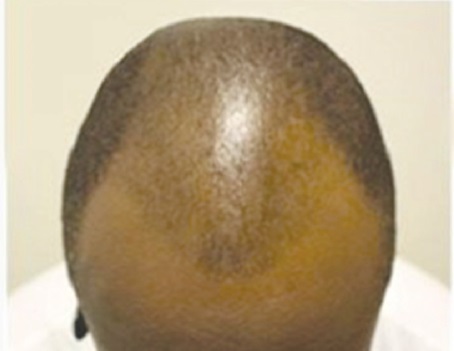
You will agree that the barbershop is a place where men and boys engage in open conversations about life, fun, and various topics. As a professional barber, I’ve noticed that in the early days of my career, clients often asked about the latest trending hairstyles that would suit their personality or head shape. Recently, however, the focus has shifted to concerns about receding hairlines among young men, middle-aged men, young women, and middle-aged women. Many of them panic and rush to try treatments like minoxidil, finasteride, or opt for expensive hair transplants in places like Seoul and Istanbul.
The increase in business opportunities for hair transplant and hair treatment centers in Ghana has become more evident. My colleagues and I became aware of this issue when some students engaged us in their research, which aimed to link the receding hairline of the average Ghanaian to staple foods such as kenkey, banku, waakye, tuo zafi, light soup, and groundnut soup. For context, many major pharmaceutical companies associate hair loss with dihydrotestosterone (DHT), a male sex hormone derived from testosterone that plays a crucial role in developing male characteristics.
Inflammation, scalp tension and nutrient deficiencies play a bigger role. Most people relate hair loss to bad genetics, but it is not always so. Hair loss is often a health-related issue that serves as a warning sign from your body. Ignore it and the problem might get worse. Before solutions are recommended, it is imperative to highlight the side effects of Finasteride and Minoxidil.
For Finasteride, the side effects may include impotence, decreased interest in sex, difficulty achieving orgasm, abnormal ejaculation, swelling in the hands or feet, breast tenderness or swelling, dizziness, and weakness. On the other hand, the side effects of Minoxidil can involve severe scalp irritation, chest pain, rapid heartbeats, swelling in the feet, rapid weight gain, feelings of lightheadedness, headaches, dizziness, confusion, unwanted facial hair growth, and flushing (which is characterized by warmth, redness, or a tingling sensation).
To address receding hair, various treatments are available, including medications, topical solutions, and lifestyle changes.
Stress is a significant factor in hair loss.
When cortisol spikes, it increases scalp tension, reduces blood flow to follicles, disrupts hormone conversion and creates inflammation.
Breathwork and adaptogenic herbs can be helpful in this situation.
It is also worth noting that your hair is only as strong as the nutrients you eat.
Some men are deficient in key vitamins and minerals like Vitamin D (essential for follicle health), Zinc and Iron (support hair strands), Collagen and Biotin (Strengthen hair Stands) as well as Vitamin D.
It is imperative to focus on incorporating fatty fish (salmon, mackerel, sardines), egg yolks, beef liver and fortified foods such as milk, plant milk and breakfast cereals to your meals.
To enable Zinc absorption, focus on incorporating foods such as oysters, red meat, poultry, seafood, legumes, nuts, seeds and whole grains into your diet.
To increase iron intake, focus on incorporating foods rich in both heme (meat, poultry and seafood) and non-heme (Legumes, dark green leafy vegetables, nuts and seeds, dried fruits, fortified foods).
Hair follicles have melatonin receptors that regulate growth.
Melatonin has been used for over a decade to treat hair loss.
Hence, fix your sleep and you will fix your hair.
Exercise is very good for boosting the flow of blood to hair follicles.
For people whose hair has receded for more than an inch, the optimal solution is hair transplant.
Even though some of our staple foods promote inflammation and contain some amount of alcohol, there is no data that links them to hair loss.
If you start experiencing hair loss marginally, kindly direct your barbers to stop trimming the hair on your forehead; it is astute to fade it in or go for a buzz haircut.
To maintain a prefect hairline till old age, consume diets that are rich in nutrients and promote hair growth, manage stress, quit smoking, stay hydrated, avoid harsh products like sulfate shampoos and conditioners, wash your hair regularly, massage your scalp, avoid tight hairstyles, indulge in low-level light therapy and consult a dermatologist or a doctor if hairline is receding rapidly.
The writer is a professional barber.
By: Lawrence Essiamah

