

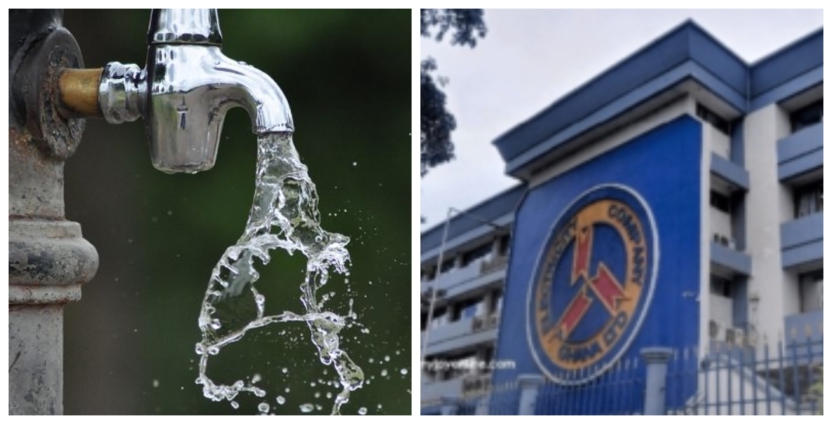
The Ghana Union of Traders’ Association (GUTA) has criticized the Public Utilities Regulatory Commission (PURC) for its recent increases in utility tariffs. GUTA described the Commission’s justification for these hikes as unconvincing and insensitive to the economic hardships faced by both businesses and everyday Ghanaians. This criticism follows PURC’s announcement of a 14.75% increase in electricity tariffs and a 4.02% rise in water charges, which will take effect on May 3, 2025.
PURC explained that the need for upward adjustments was driven by various economic and operational factors, including the exchange rate between the Ghana cedi and the US dollar, inflation forecasts, fuel costs (especially for natural gas), and the current mix of hydro and thermal energy generation. However, in a statement signed by its General Secretary, Alpha A. Shaban, GUTA rejected the reasons provided for the increases, stating that they “do not hold water.”
“We appreciate the fact that life is not static, and changes are inevitable when necessary — but not at the whim of any particular body,” the statement read. GUTA argued that instead of transferring the burden to consumers, PURC should focus on eliminating inefficiencies and waste in the management of electricity and water services, which it identified as the real drivers of rising operational costs at the Electricity Company of Ghana (ECG) and the Ghana Water Limited.
The group went further to criticise the broader public sector, claiming it has become a “gold mine” for personal enrichment among public and civil servants. “It appears the public sector is now being turned into a gold mine, where every public or civil servant takes advantage to enrich themselves within a short period of time,” the statement alleged.
GUTA is therefore calling on the government to clamp down on misappropriation and corruption within state institutions. “We appeal to the government to focus more attention on this negative attitude to public service, identify all the theft, diversion, misappropriation, or misapplication of state funds or property, and deal with them decisively to recover all the stolen assets,” the statement concluded.
By: William Narh

