

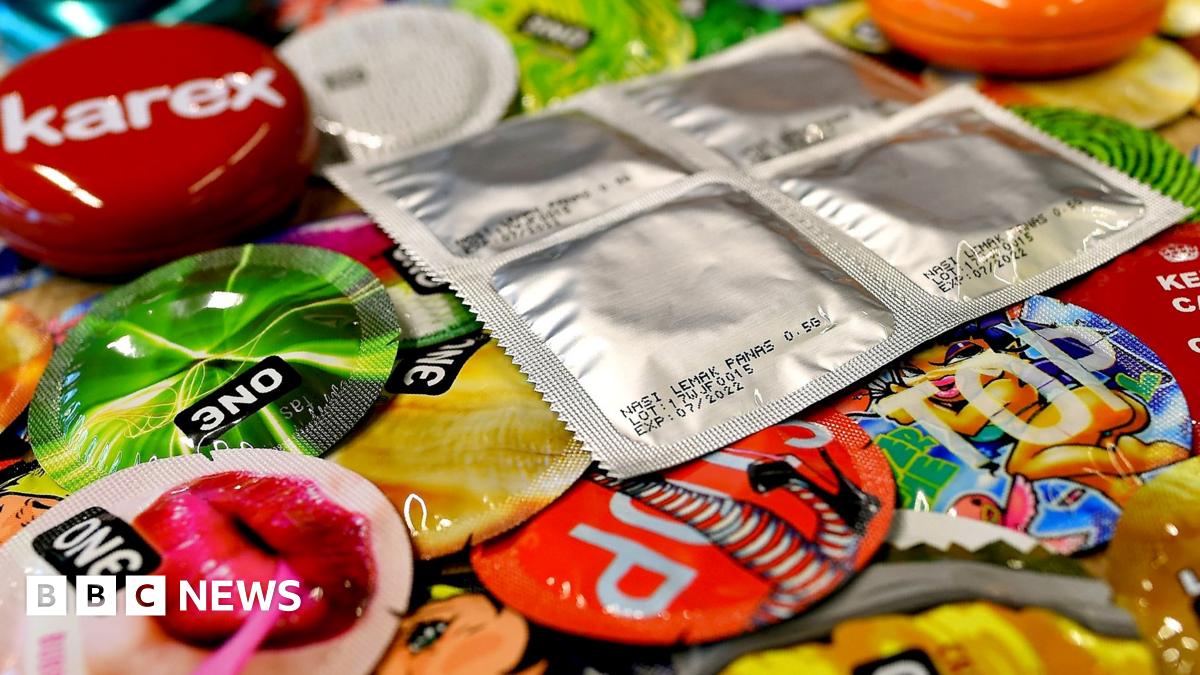
Safe sex products could become more expensive if the ongoing war in Iran continues to disrupt global supply chains, according to the CEO of the world’s largest condom manufacturer. Karex CEO Goh Miah Kiat told Reuters on Tuesday that the company may be compelled to raise prices by 20% to 30%, depending on the duration of the disruption.
Global supply chains have been affected since late February, with the chokehold on the Strait of Hormuz cutting off access to key materials used in condom production. “The situation is definitely very fragile, prices are expensive,” Goh said. “We have no choice but to pass the costs on to customers.”
Headquartered in Malaysia, Karex manufactures condoms, lubricants, gloves, medical catheters, and probe covers. Its brands include ONE, Trustex, Carex, and Pasante, with an annual production capacity exceeding 5 billion condoms. The company exports to more than 130 countries worldwide.
Goh told Reuters that along with higher costs for manufacturing and packaging condoms, there are delays in shipping. “We’re seeing a lot more condoms actually sitting on vessels that have not arrived at their destination but are highly required,” Goh said. CNN has reached out to Karex to see when the price hikes might take place. Meanwhile, Goh told Reuters that the company has enough supply to last a few months.
As gas prices have surged since the Iran war, oil and gas have gotten the bulk of the attention. Economists fear that rising prices could soon lead to a pull-back in consumer spending and oil shortages could stymie production. That’s particularly true in Asia, which relies heavily on Middle Eastern oil for fuel.
But the war has also hurt production of so-called feedstocks – petroleum byproducts that are used to make plastics and other materials. Among them: naphtha, which is used to make packaging materials, and silicon oil and ammonia, which are key ingredients in condom production.
“You hear a lot about crude oil and the impacts to diesel and gasoline – but feedstocks and petrochemicals are in short supply, too,” said Angie Gildea, KPMG global head of oil and gas, in a separate interview. For example, 41% of Asia’s naphtha comes from the Middle East, Gildea noted. If the countries that make the stuff we purchase – including Malaysia – can’t access raw materials, they have to raise prices to compensate.
But raw materials aren’t the only problem.
Several countries, including Myanmar and Cambodia, have begun rationing fuel. In parts of Southeast Asia, such as Vietnam, some schools have issued stay-at-home directives as commuting costs become unaffordable for students. Industry experts warn the situation is also affecting factory workers’ ability to reach manufacturing sites, potentially slowing production of key goods destined for overseas markets, including the United States.

