

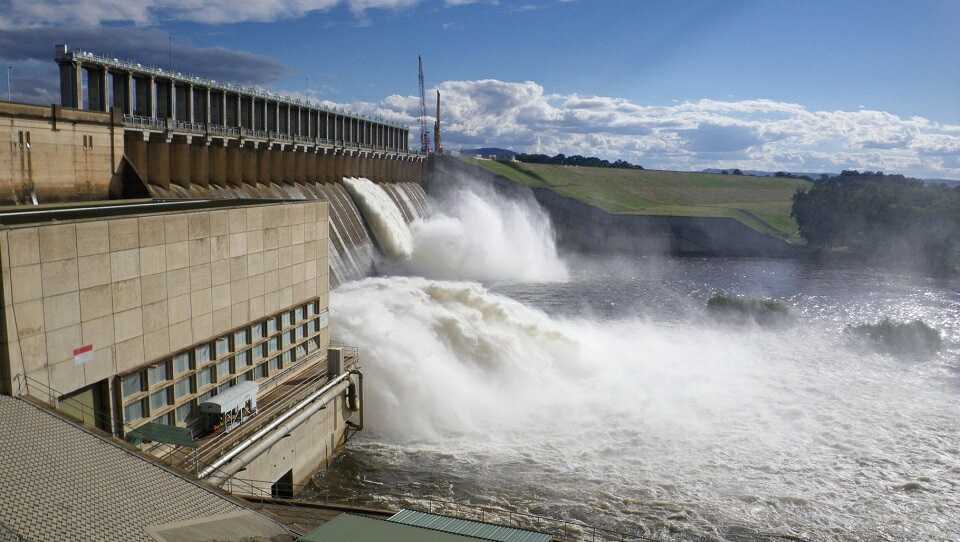
Ghana Water Limited (GWL) has announced that it will begin spillage from the Weija Dam due to a continuous increase in water levels, which poses a threat to the facility’s structural integrity. In a letter dated April 7, 2025, Regional Chief Manager Charles Tulashie explained that the spillage has become necessary due to the onset of the rainy season, which has caused a steady rise in the dam’s water levels.
The letter addressed to the Managing Director of GWL and copied to the relevant departmental heads warned that if the situation remained unaddressed, it could pose a significant risk to lives and property downstream. It emphasised that failing to commence immediate spillage might lead to a structural compromise of the dam.
Spillage
The letter, however, indicated that the spillage would be at a very low rate to minimise its impact, while the actual rate would be determined by the volume of water entering the dam. It added that the spillage would continue as long as the water level kept rising, stating that the measure was to safeguard the dam from any possible collapse.
Meanwhile, the GWL has expressed regret for any inconvenience this exercise may cause and assured the public that the decision was a necessary precaution to protect lives and infrastructure in the downstream communities. It advised residents living in flood-prone areas around the Weija Dam to take the necessary safety precautions as the spillage comes off in the coming days.
The Weija Dam, which serves as a key component in the supply of potable water to large parts of Accra, has a history of such precautionary spillage events during the rainy season. In past years, similar exercises have led to the displacement of residents in low-lying areas such as Glefe, Tetegu, Oblogo, and parts of Weija and Gbawe.
In 2022, for instance, hundreds of residents were forced to evacuate their homes when the dam was spilled following torrential rain, leading to flash floods that damaged property and disrupted transportation routes. The annual risk has become a point of concern for local authorities and residents alike, with repeated calls for the development of long-term flood mitigation measures and improved early warning systems.
By: Joselyn Kafui Nyadzi

