

Uric acid is a natural waste product produced by the body when it breaks down purines, which are found in certain foods and drinks. Under normal circumstances, purines dissolve in the blood, and the kidneys filter them out, removing uric acid through urine. However, when uric acid levels become too high, it can lead to serious health issues, a condition known as hyperuricemia. This has become increasingly common due to sedentary lifestyles and poor diets. High uric acid levels can cause inflammation and pain, and over time, they may also damage various parts of the body. Hyperuricemia not only affect the joints; it can also harm the kidneys, heart, and overall metabolism. Below, we list five common health conditions associated with elevated uric acid levels:
Gout
One of the most well-known and painful effects of high uric acid is gout. This condition occurs when uric acid crystals accumulate in the joints, causing sudden and severe pain, swelling, and redness. While swelling is commonly seen in the big toe, it can also affect the hands. If left untreated, gout attacks can last for several days or even weeks. Gout is more frequently seen in men, but women with high uric acid levels can also be affected. Common triggers for gout include a high-purine diet, alcohol consumption, and obesity. If untreated, repeated gout attacks can lead to permanent joint damage over time.
Managing uric acid levels through medication, hydration, and a balanced diet can help prevent gout flare-ups and protect joint health. If you suffer from gout, it is advisable to avoid red meat, shellfish, and sugary drinks, as these can contribute to flare-ups.
Kidney stones
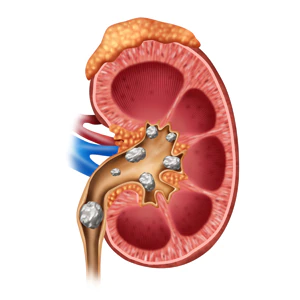
If left untreated for an extended period, high uric acid levels can lead to the development of uric acid kidney stones. These hard crystals form in the kidneys when excess uric acid is not properly eliminated from the body. Symptoms of kidney stones can include intense pain in the back or side, blood in the urine, and frequent urination. If kidney stones are not detected and treated early, they can block urine flow, cause infections, and potentially lead to long-term kidney issues.
To prevent this, it is important to drink plenty of water, reduce purine intake by avoiding meat, alcohol, and sugary drinks, and use prescribed medications to help maintain uric acid levels within a normal range. Uric acid kidney stones are more likely to occur in hot climates or among individuals who sweat excessively and do not hydrate adequately.
Chronic Kidney Disease (CKD)
Excess uric acid can lead to kidney stones, but over time, it may also damage kidney tissues. Studies indicate that high levels of uric acid are associated with an increased risk of developing chronic kidney disease (CKD). In this condition, kidney function declines gradually and progressively. The kidneys play a crucial role in filtering waste from the blood, which is then excreted from the body through urine. When the kidneys are not functioning properly, toxins—including uric acid—can accumulate in the blood. CKD may not present early symptoms, but it can lead to complications such as high blood pressure, fatigue, and, in severe cases, kidney failure. To protect long-term kidney health, it is essential to manage uric acid levels through lifestyle changes, regular exercise, proper hydration, and routine health check-ups.
Hypertension (High Blood Pressure)
High uric acid levels are often associated with hypertension, particularly in younger adults. This connection exists because uric acid can stiffen blood vessels, increase sensitivity to salt, and trigger inflammation in the body, all of which contribute to elevated blood pressure. Over time, high blood pressure raises the risk of heart disease, stroke, and kidney damage.
A study titled “Uric Acid in Hypertension and Cardiovascular Disease,” published in the Journal of Hypertension in May 2025, suggests that elevated uric acid levels worsen hypertension and increase the risk of cardiovascular disease. The results of efforts to reduce uric acid levels have been mixed, with benefits observed in select groups. Therefore, maintaining healthy blood pressure through a balanced diet, regular exercise, and reduced salt intake—along with managing uric acid levels—can significantly improve overall heart health and longevity.
Type 2 Diabetes
High uric acid levels may play a role in insulin resistance, which is a significant factor that can lead to type 2 diabetes. When the body becomes resistant to insulin, it struggles to use glucose effectively for energy, resulting in higher blood sugar levels. A study titled “What is the Relationship Between Serum Uric Acid Level and Insulin Resistance?” published in Medicine in December 2023 found an association between serum uric acid levels and insulin resistance.
The study concluded that individuals with elevated serum uric acid levels should be closely monitored for potential insulin resistance and the risk of diabetes. While uric acid is not the sole cause of diabetes, it is an emerging risk factor that should not be overlooked. Adopting a healthy lifestyle— which includes weight control, physical activity, and balanced nutrition— can help lower both uric acid levels and the risk of diabetes.

