

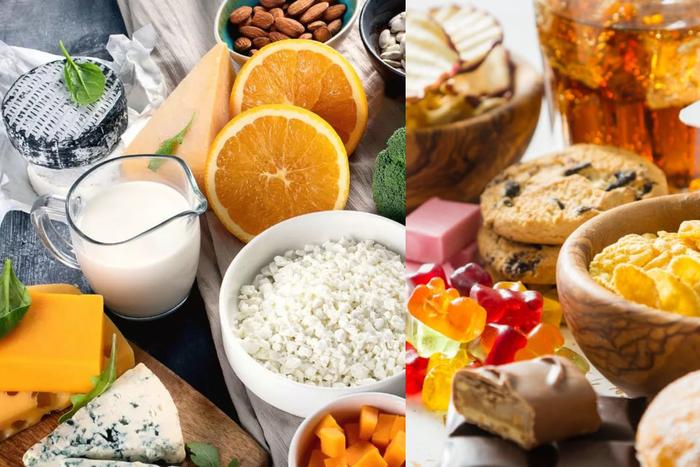
Food Combinations That Can Disrupt Digestion
- Milk + Citrus Fruits: The acidity in citrus can curdle milk proteins, sometimes leading to indigestion and stomach discomfort.
- Carbohydrates + High Protein (e.g., rice with large portions of meat): This heavy pairing can slow digestion, leaving some people bloated or fatigued.
- Fried Foods + Sugary Drinks: Together they overload the body with calories, strain digestion, and cause energy spikes followed by crashes.
You may be choosing nutritious foods, but how you combine them matters just as much as what you eat. Certain pairings that seem harmless—or even healthy—can actually trigger bloating, indigestion, poor nutrient absorption, and fatigue. From mixing dairy with citrus to sipping soda alongside fried foods, these combinations can create internal chaos for your digestive system. This isn’t just folklore; both modern science and traditional wellness systems like Ayurveda highlight how poor food pairings can weaken immunity, disrupt digestion, and contribute to long‑term health issues.
The reality is that many of us unknowingly make these mistakes every day, turning otherwise healthy meals into digestive challenges. By being mindful of food combinations, you can reduce bloating, boost energy, and maximise nutrient absorption—making every meal work better for your body.
Avoid these 10 food combinations to stay healthy.
1. Dairy Products with Citrus Fruits
Pairing milk, yoghurt, or cheese with citrus fruits such as oranges, lemons, or grapefruits can upset digestion. The sharp acidity in citrus causes dairy proteins to curdle, making them more difficult for the body to process. This often results in bloating, indigestion, and stomach discomfort. In some cases, the acidic environment interferes with the breakdown of dairy proteins altogether, leading to cramping or nausea.
2. Iron-Rich Foods with Tea or Coffee
Drinking tea or coffee with iron-rich foods like spinach, red meat, or beans can greatly decrease your body’s ability to absorb iron. This is because tannins and polyphenols in these beverages attach to iron, creating compounds that are difficult for your body to absorb. This effect is especially concerning for individuals with iron deficiency anaemia or those on vegetarian diets. For optimal iron absorption, it’s best to wait at least two hours after eating iron-rich foods before enjoying tea or coffee.
3. Bananas and Milk
According to Ayurvedic principles, combining these two foods—despite appearing harmless—can actually hinder digestion and promote toxin formation in the body. Both ingredients are heavy and sweet, which may cause congestion, cold-like symptoms, cough, and allergies, particularly in sensitive individuals. This pairing can also trigger fermentation in the stomach, resulting in gas and bloating. Many people notice feeling sluggish and weighed down after consuming this mixture, especially when it is used in smoothies.
4. Melons with Other Foods
Melons digest much faster than most other foods and should ideally be eaten alone. When combined with other foods, melons can ferment in the stomach while waiting for slower-digesting foods to process. This fermentation produces alcohol and toxins, leading to gas, bloating, and digestive discomfort. The high water content in melons can also dilute digestive enzymes, further complicating the digestion of accompanying foods.
5. Starches with Acidic Foods
Pairing starchy foods—such as bread, pasta, or potatoes—with acidic ingredients like tomatoes, vinegar, or citrus may disrupt digestion. Starch digestion starts in the mouth with alkaline enzymes, but acidic foods can neutralise these enzymes, impeding the proper breakdown of starches. This interference may lead to incomplete digestion, resulting in fermentation, gas, and bloating. Common meals like pasta with tomato sauce or bread with vinegar-based dressings are examples of this challenging combination.
6. Protein and Starch Together
Eating high-protein foods like meat, fish, or eggs with heavy starches such as bread, rice, or potatoes requires different digestive enzymes and environments. Proteins need an acidic environment for digestion, while starches require alkaline conditions. When consumed together, these conflicting requirements can lead to incomplete digestion, putrefaction of proteins, and fermentation of starches, resulting in gas, bloating, and digestive discomfort.
7. Fruits After Meals
Consuming fruits immediately after a heavy meal can cause digestive problems because fruits digest much faster than other foods. When fruits are trapped behind slower-digesting foods, they begin to ferment in the stomach, producing gas and alcohol. This can lead to bloating, indigestion, and a feeling of heaviness. Fruits are best consumed on an empty stomach or at least two hours after a meal to allow for proper digestion.
8. Cold Drinks with Hot Foods
Consuming cold beverages alongside hot foods may disrupt your digestive system and hinder the digestion process. The stark contrast in temperature can cause blood vessels in the stomach to constrict, which in turn may decrease the secretion of digestive enzymes and stomach acid. As a result, digestion can become incomplete, and you might experience symptoms such as cramping and bloating. Additionally, very cold drinks can cause fats in your food to solidify, making them more difficult to break down and potentially leading to digestive discomfort or blockages.
9. Beans and Cheese
Combining beans with cheese creates a heavy, difficult-to-digest meal that can overwhelm your digestive system. Both foods are protein-rich and require significant energy to break down. The combination can lead to excessive gas production, bloating, and digestive sluggishness. The different types of proteins and the presence of complex sugars in beans alongside the saturated fats in cheese create a challenging digestive scenario that often results in discomfort.
10. Alcohol with Caffeinated Beverages
Mixing alcohol with caffeinated drinks like energy drinks or coffee creates a dangerous combination that can mask alcohol’s depressant effects. Caffeine can make you feel more alert while still being impaired, leading to poor decision-making and increased risk of alcohol poisoning. This combination also puts extra stress on your cardiovascular system and can lead to dehydration, heart palpitations, and increased anxiety. The liver must work overtime to process both substances, potentially leading to increased toxicity.

