

The Public Utilities Regulatory Commission (PURC) has begun work on a new electricity tariff structure designed to support businesses operating under the government’s 24-hour economy initiative. The proposed regime will introduce reduced tariffs during off-peak hours, specifically between 11 p.m. and 4 a.m., to encourage nighttime commercial activity.
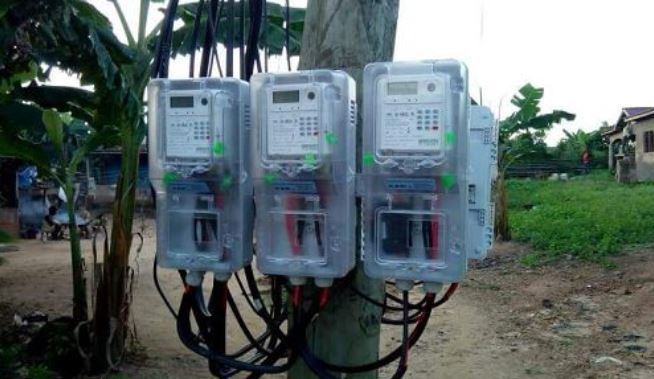
Under the plan, businesses consuming power during these hours will benefit from lower costs, facilitated by the installation of smart meters. The initiative is currently undergoing technical and regulatory review in collaboration with the Energy Commission and the Electricity Company of Ghana (ECG), and is expected to take effect in the fourth quarter of this year.
Speaking to the Daily Graphic in Accra, PURC Executive Secretary Dr. Shafic Suleman explained that the policy aims to boost economic activity, promote electric vehicle adoption, and strengthen Ghana’s emerging night-time economy. He noted that eligibility will apply to individuals and businesses that sign onto the 24-hour economy framework, particularly those committed to round-the-clock operations.
The reduction in electricity tariffs was one of the flagship campaign promises of the governing National Democratic Congress (NDC) while it was in opposition. President John Dramani Mahama, then the flag bearer of the NDC, indicated on several campaign platforms that his government would ensure reduced electricity tariffs for businesses operating under the 24-hour economy.
Since taking office, the President has spearheaded the establishment of the 24-Hour Economy and Accelerated Export Development Authority under the 24-Hour Economy Authority Act, 2026.
The authority is to serve as the central coordinating body to implement the policy, aligning public and private sector efforts and addressing infrastructure and regulatory needs.
Time-of-use
The Executive Secretary of PURC stated that it had prioritised the introduction of a “time-of-use” tariff system as a central component of the new pricing framework. Dr Suleman explained that the concept was under evaluation following the approval of the 24-hour economy policy to help establish varying electricity prices based on usage periods.
He said the policy was designed to encourage electricity use at night, with the time-of-use model serving as a tool to influence and regulate consumption patterns across sectors.
Dr Suleman added that the initiative would be reinforced by a regulatory framework being developed in partnership with the Energy Commission to ensure effective implementation.
Smart metering
To support the rollout of the policy, Dr Suleman stressed that it had been collaborating with the ECG to introduce specialised smart meters that would automatically apply reduced tariffs during designated hours.
“So, you would buy a special meter, and it would function normally during the day, but from 11 p.m., it would automatically charge a lower tariff until early morning,” he explained. He said the automated system would enable consumers to benefit seamlessly without requiring manual adjustments, while also enhancing operational efficiency.
Regarding timelines, he said that implementation was being targeted within the year, subject to the completion of technical processes and meter deployment. “We were hoping to roll it out by the third quarter, around July to September, or possibly between October and December, depending on how quickly we coordinated with ECG on the availability of the meters,” he stated.
He added that the commission would first introduce the tariff structure before allowing market participants to respond accordingly.
Economic impact. The PURC boss stated that the proposed tariff regime was expected to significantly support the 24-hour economy by encouraging increased business activity at night and lowering operational costs.
He said the initiative would also facilitate the adoption of electric vehicles (EVs), as reduced night-time tariffs would make charging more affordable. He said that a stable and reliable electricity supply would be key to the success of the initiative, as energy would lead the night economy because nobody would want to operate in the dark.
Source: Graphic.com.gh

