

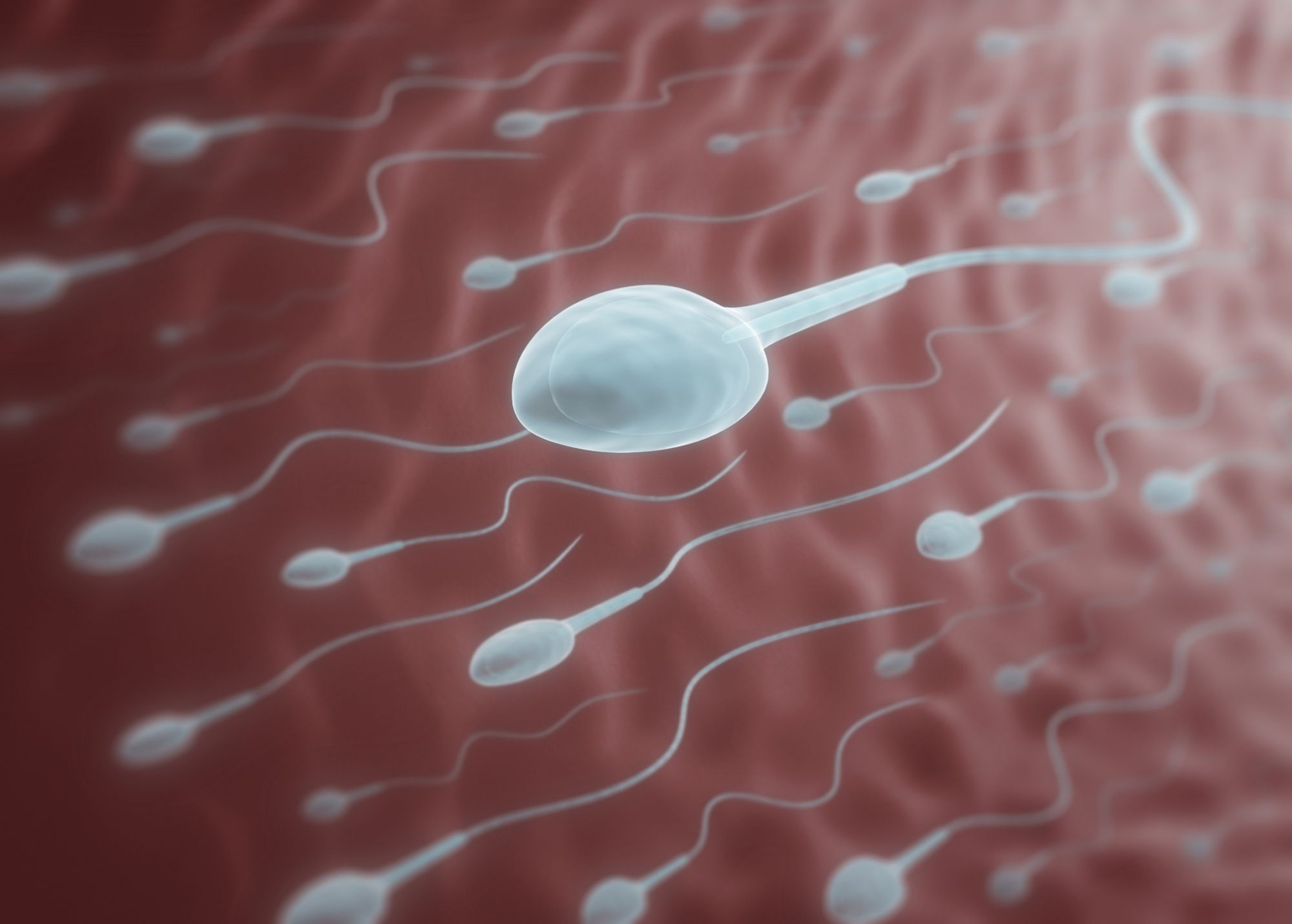
A senior medical specialist has advised men facing fertility issues to avoid hot water baths, as these can contribute to infertility. Professor Matthew Yamoah Kyei, a Consultant Urologist at Korle Bu Teaching Hospital, explained that excessive heat affects sperm production. He emphasised that keeping the testes in a cooler environment is essential for healthy sperm formation.
The normal human body temperature ranges from 36 to 37 degrees Celsius, while the scrotum, which houses the testes—responsible for sperm production—should ideally be between 33 and 34 degrees Celsius, similar to the surrounding environment. Any factor, such as hot water baths, that increases the temperature of the testes can bring their temperature closer to that of the body, impairing healthy sperm production.
He noted that this increased heat could lead to poorly formed sperm, reduced motility, or even death of the sperm due to overheating. “The basis of male fertility is being able to produce healthy sperm, strong enough to travel through the woman to fertilise the egg. The truth about sperm production in the testes is that at each point in time, some sperm are being produced, some are mature, some are dying off.”
He explained that the duration of a hot water bath does not matter; once the area is exposed to heat, all the sperm being produced at that time can be destroyed. Additionally, already formed sperm, although still delicate, may also be affected. However, he noted that the healthiest sperm have a better chance of survival. “It takes three months for sperm to mature. Therefore, what you see in about three months reflects what happened earlier,” he stated. He mentioned that this is why men who work with large engines on ships or in mining, where temperatures are consistently high, as well as those who ride motorbikes, are at a greater risk of infertility. Professor Kyei, who also serves as a professor of surgery at the University of Ghana Medical School, shared his insights on male infertility during an interview with the Daily Graphic.
Male infertility
Male infertility is the inability to produce sperm or produce healthy sperm that can fertilise the female egg. Prof. Kyei said the condition was responsible for 50 per cent of couples’ inability to have a child. Describing infertility in men as a major issue, he mentioned other causes to include varicose veins, where the veins in the scrotum become very big and extended and, therefore, carry the whole body temperature into the scrotum, making it warmer than expected.
Other causes include engaging in activities such as weight lifting, using illicit drugs such as marijuana, cocaine and smoking cigarettes, as well as using anabolic steroids for bodybuilding. Prof. Kyei explained that in the case of anabolic steroids, they prevent the normal testosterone, which is good for sperm, from being produced.
“So even though those who use it get big muscles, the testis shrinks, ending up becoming little in what is medically referred to as atrophy of the testis,” he explained. He said infections such as epididymitis and sexually transmitted infections, such as gonorrhoea and chlamydia, could also cause infertility in men.
Treatable
On whether infertility in men is treatable, Prof. Kyei answered in the affirmative, explaining that because the testes produce sperms every day, once the abnormalities that caused infertility were taken away, evidence of the testes producing healthy sperm would show between three to six months.
However, Prof. Kyei said that in some people, the testes had been destroyed beyond repair, so nothing could be done. They included those who used anabolic steroids, had suffered an accident that had destroyed the testes and those whose testicular tissues had been destroyed through the use of marijuana. On what men can do to stay fertile, he advised against all forms of heat, adding that one of the things that could cause heat in the scrotum was wearing multiple shorts and, therefore, urged that they choose between either brief or boxer shorts to go with their trousers.
Professor Kyei emphasized the importance of testis size in assessing male infertility. He explained that any reduction in testis size indicates a decrease in sperm production. The testis should measure at least 2.5 centimeters from top to bottom; if it is less than this, it suggests a loss of sperm production. Additional symptoms of infertility may include pain and discomfort.
Professor Kyei advised men who are having difficulty conceiving with their partners to undergo an assessment first, as it is simpler to perform a semen analysis on men than it is on women, where privacy concerns may arise. If the semen analysis reveals that a man has no sperm, he should be open to considering donor sperm, which could provide the opportunity to have a child.
By: Augustina Tawiah

